Coming soon…A Blast from the Past

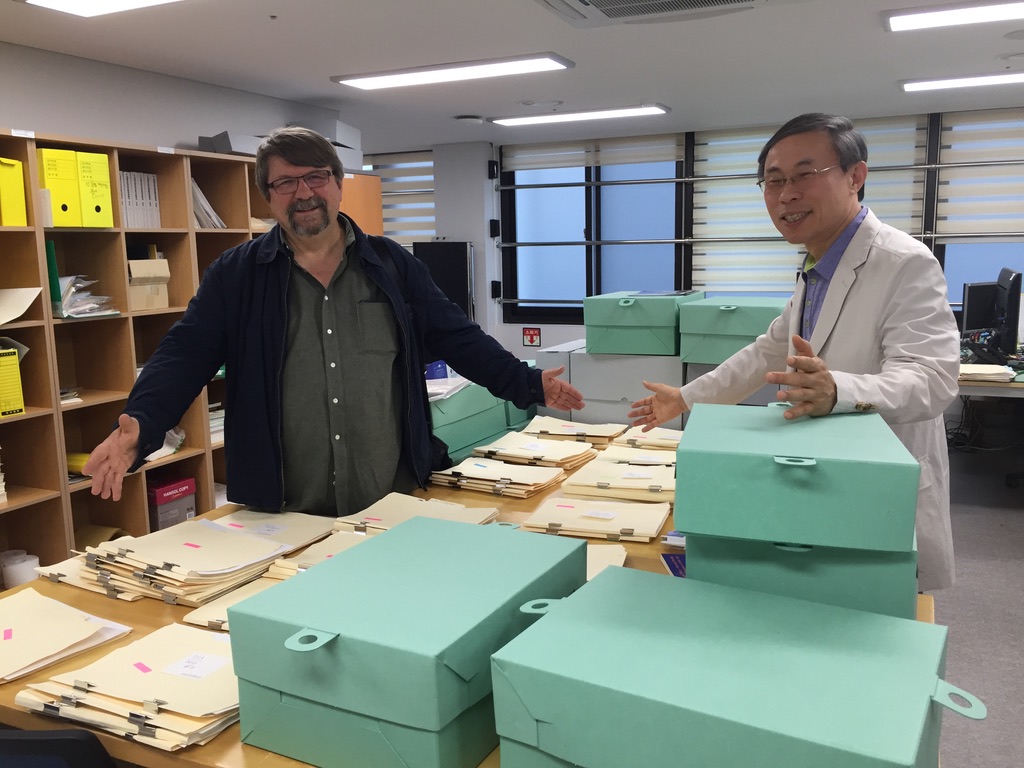
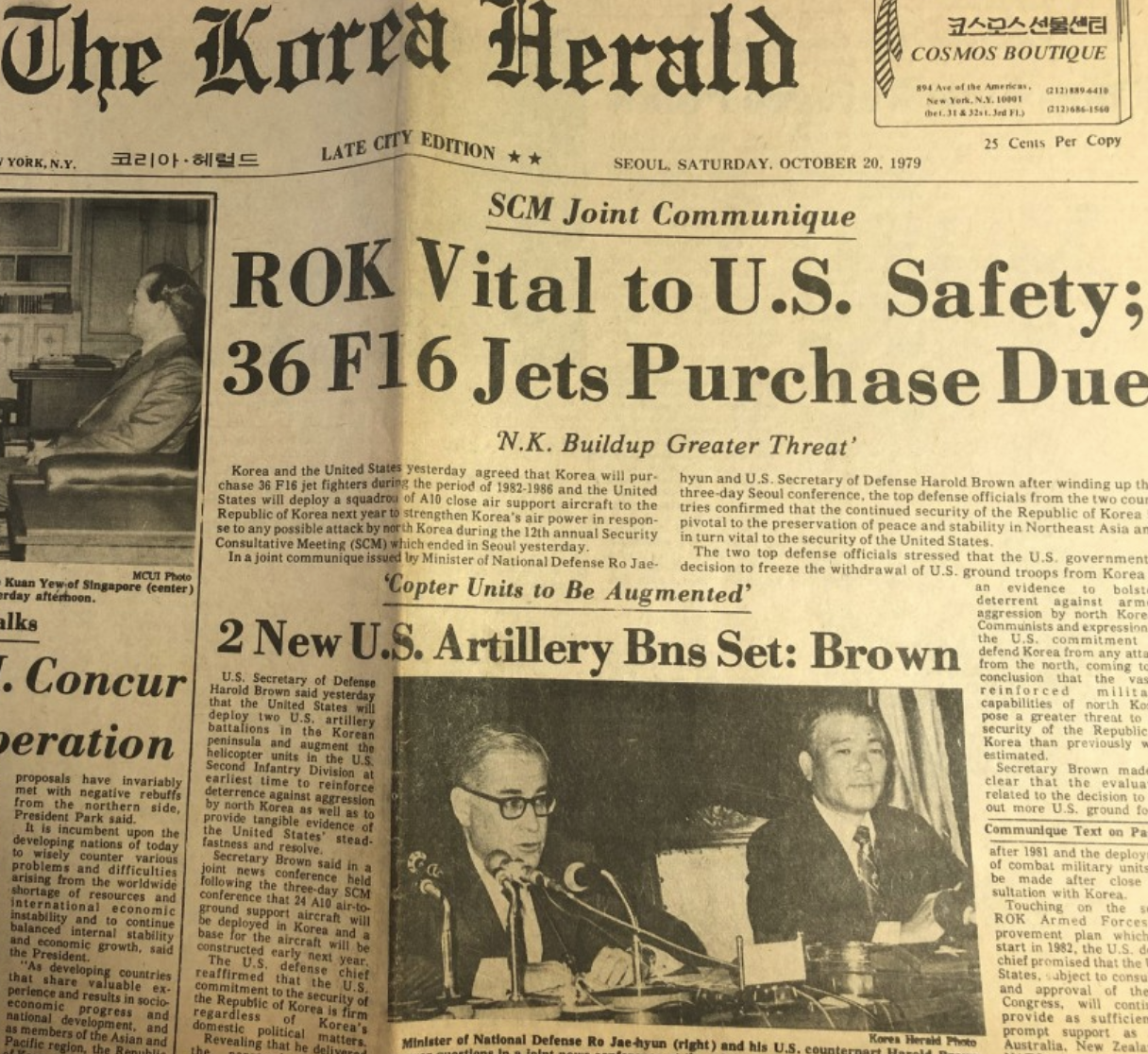
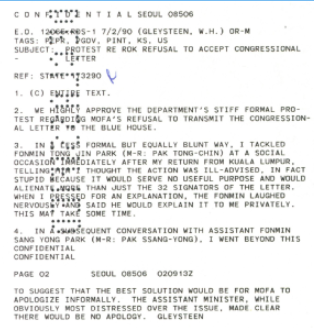
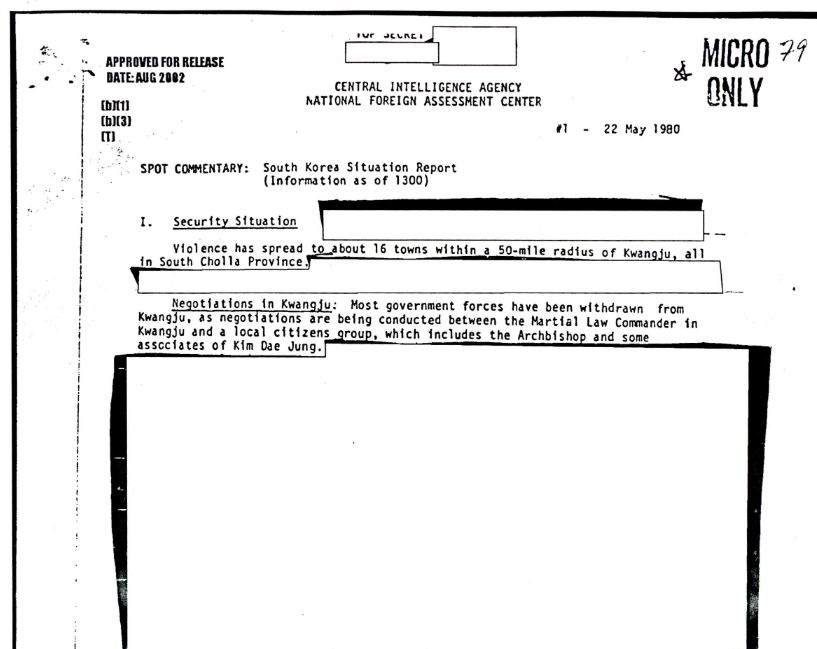
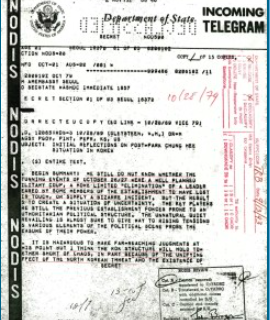
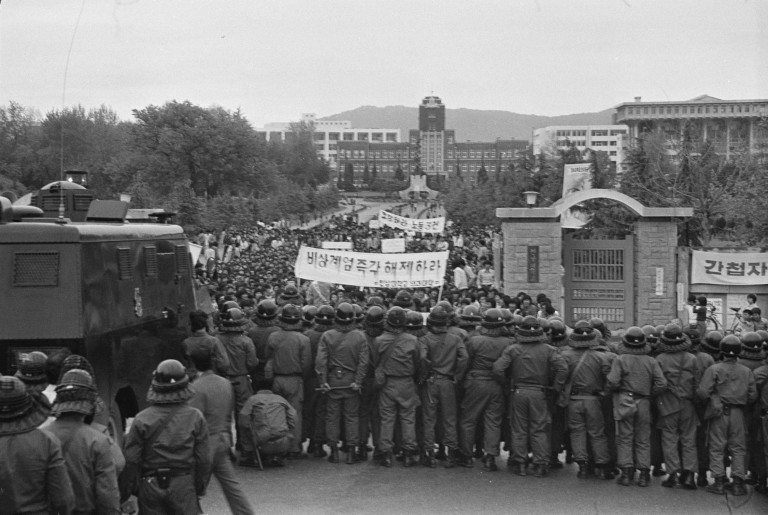
As soon as I can figure out how to upload the PDF, I will re-publish a short analysis and polemic I wrote in 1980 about the emergence of the Pacific Rim economy. I did this during a time of very intense political and labor organizing in Oregon, where I was going to graduate school and engaging in radical left politics during the late 1970s.

It’s going to go directly against the grain of the current “fair trade” movement by challenging its key precept that the current TPP (Trans-Pacific Partnership) trade agreement is really “NAFTA on Steroids.” Actually it’s the other way around: the East Asian economies were actually highly integrated under US-Japanese tutelage during the Cold War, and one of the first steps in this process was the Japanese establishment of a low-wage manufacturing base in South Korea where its more high-tech conglomerates could shift their labor-intensive production of textiles, electronics, garments, shoes and steel.

In effect, a Japanese-South Korean trade zone – developed with great prodding by the United States as a way to solidify its economic and military dominance in the region – was the first NAFTA. The model of US and Japanese companies shifting production around, first to South Korea and Taiwan, then to Southeast Asia and Mainland China, began long – way long – before NAFTA. And, in fact, NAFTA was created by the U.S., Canada and Mexico in large measure to create a kind of collective defense against East Asian production then flooding global markets. I hope this re-publication will stimulate discussion and debate about the politics of U.S. and global trade. I have a couple major journalism projects I’m working on (one out very shortly in The Nation) so not sure when I’ll get it out. Anybody who knows how to compress large PDFs and load them onto a WordPress site, shoot me an email.


Posted in Archives, Asia, Corporations | Leave a comment

Time (Again) for Direct Negotiations with North Korea

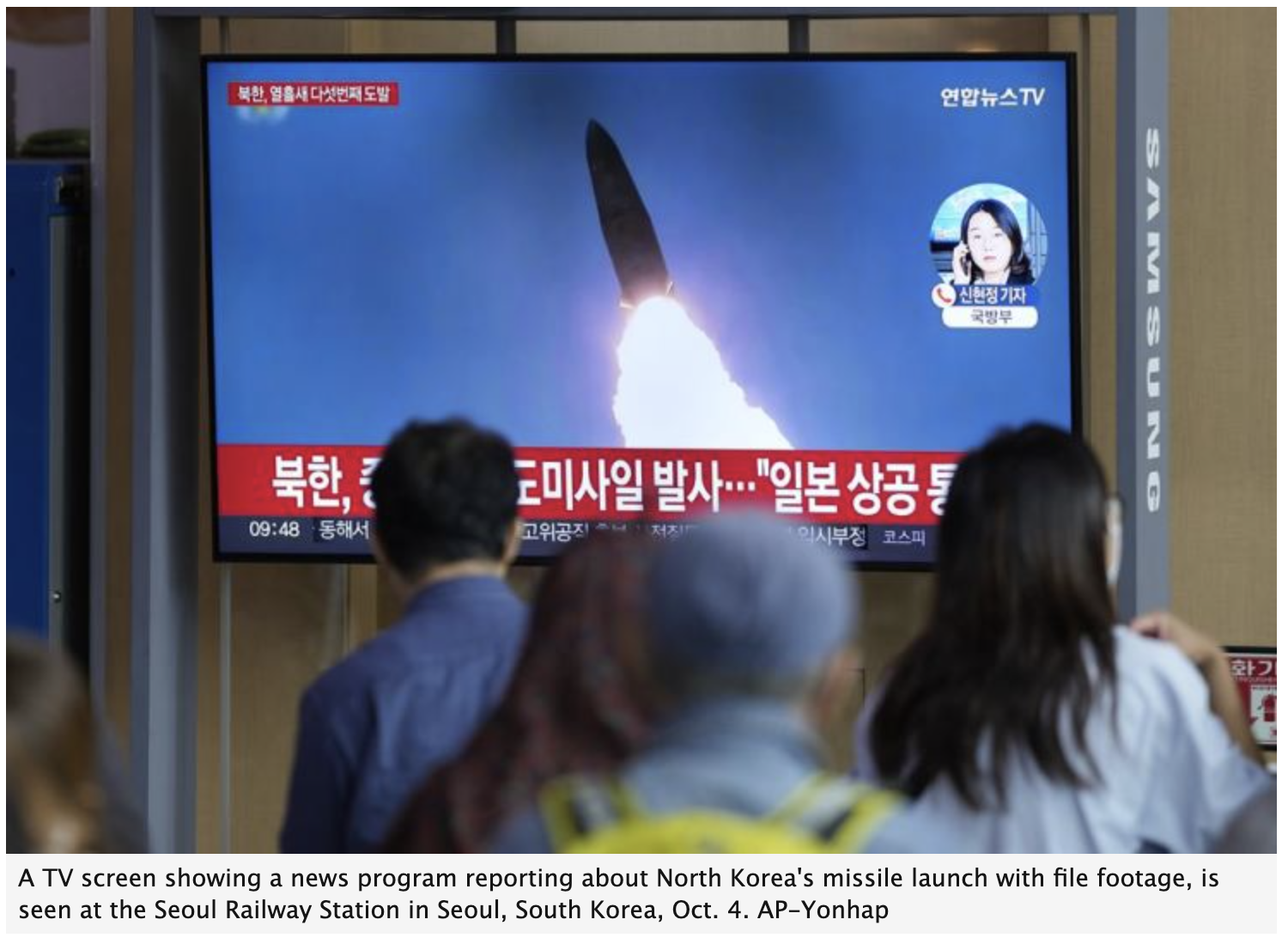
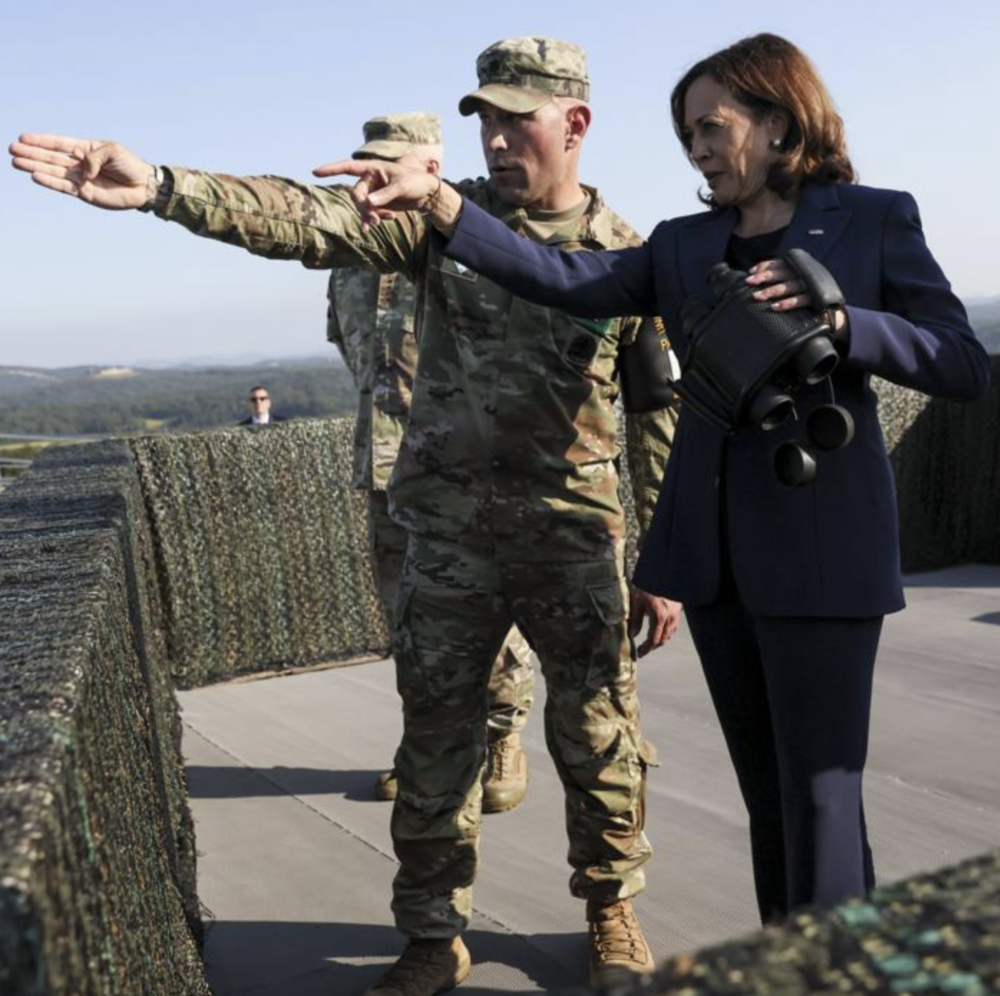
I was on Democracy Now! this morning talking about the latest North Korean nuclear test and its implications for U.S. policy. As usual, I spoke out for direct U.S. negotiations with the DPRK and called for a halt in the U.S.-South Korean military exercises that the North considers provocative and a threat to its sovereignty. You can see the interview here.

Meanwhile, an organization I’m affiliated with – the U.S. Working Group for Peace and Demilitarization in Asia and the Pacific – today issued a statement on the nuclear tests and what the United States might do to de-escalate the situation and bring about a final end to the Korean War. It’s pretty comprehensive and speaks for itself. As we say in the preface,

The contexts in which the test took place are complex, and there are actions that we and our governments can take to contribute to peace and denuclearization of Northeast Asia. including the need for the U.S. and other nuclear powers to cease their nuclear double standards and calling a halt to provocative war games, including those now under way.

U.S. Working Group for Peace & Demilitarization in Asia and the Pacific

Statement in Response to Third DPRK Nuclear Explosive Test

1. We come from diverse backgrounds and hold a range of analyses (or perspectives) approaching the North Korean nuclear weapons test and the further militarization of Asia and the Pacific.

2. We oppose the development, possession of, and threats to use nuclear weapons by any nation. We are committed to creating a world free of nuclear weapons. We have deep concerns that North Korea’s third nuclear weapons test contributes to an increasingly dangerous region-wide nuclear arms race. We understand the North Korean test was part of a cycle of threat and response to previous U.S. nuclear threats, and to continued military provocations. We cannot ignore the double standards and hypocrisies of the members of the “nuclear club” who refuse to fulfill their Article VI disarmament commitments of the Nuclear Nonproliferation Treaty commitments by “modernizing” their omnicidal arsenals while insisting that other nations refrain from becoming nuclear powers.  North  Korea has conducted three explosive nuclear tests, compared to the United States’ 1,054.

3. We note that beginning with the Korean War, the United States has prepared and threatened to attack North Korea with nuclear weapons at least nine times, that it maintains the so-called U.S. “nuclear umbrella” over Northeast Asia, and that its current contingency plans for war with North Korea include a possible first-strike nuclear attack.

4. The Obama administration’s first-term policy of “strategic patience” with the DPRK, reinforced by crippling sanctions that contribute to widespread malnutrition, connected to the stunting of growth in children and starvation, has proven to be a grave failure. The policy has foreclosed crucial opportunities to explore diplomacy and engagement.  “Strategic patience”, combined with North and South Korea’s increasingly advanced missile programs, aggressive annual U.S.-South Korean military exercises – including preparations for the military overthrow of the DPRK government – and the Obama Administration’s militarized Asia-Pacific “pivot,”contributed to the DPRK’s decision to conduct a third nuclear “test.”

5. Added to these factors was the January 22, 2013 UN Security Council resolutions condemning North Korea’s December rocket launch and the tightening of the existing punitive sanctions program against North Korea.  The double standard that permits all of North Korea’s neighbors and the United States to test and possess missiles, space launch, and military space technologies and to threaten the use of their missiles is extraordinary. It thus came as little surprise that the DPRK respondedby announcing plans for new nuclear tests that provocatively “target” the United States. Numerous analysts  interpreted the announcement of a possible test as a means to break through the Obama Administration’s failed policy of “strategic patience” in order to bring the U.S. to the table for direct U.S.-DPRK negotiations.

6. 2013 marks the sixtieth year since the signing of the 1953 Armistice Agreement, which established a ceasefire but did not end the Korean War. We join Koreans around the world who call for Year One of Peace on the Korean Peninsula, as well as our partners across Asia and the Pacific who have designated 2013 as the Year of Asia-Pacific Peace and Demilitarization.   Peaceful relations between the United States and North Korea (DPRK) are possible and they are more urgent than ever.

Given that unending war remains the basis of U.S.-DPRK relations, which have destabilized the lives of ordinary Korean people and been used to help  justify the obscenely large Pentagon budget (equal to the spending of the next 13 largest military spenders – combined!)at the expense of U.S. citizens, we believe it is in the interests of the U.S. and North Korean peoples for our governments to begin negotiations to end the Korean War and leading to the eventual demilitarization and denuclearization of the Korean Peninsula.  Peace is possible. We recall that, as recently as 2000, the Clinton Administration came within a hair’s breadth of completing a comprehensive agreement with North Korea, which was derailed by U.S. domestic political crisis over the outcome of the presidential election.

7. In this moment of escalation, we call for proactive measures by the U.S. government as an active party to this crisis.  In order to stanch the dangerous nuclear, high-tech, and conventional arms races in Asia and the Pacific, we urge the following:

  1. Direct U.S.-DPRK negotiations
  2. Suspension of aggressive military exercises by all parties involved in tensions related to the Koreas
  3. An end to the UN-led punitive sanctions regime against the DPRK, which hurts/devastates? the lives of the North Korean people.
  4. An end to the Korean War by replacing the 1953 Armistice Agreement with a peace treaty
  5. Negotiations leading to the creation of a Northeast Asia Nuclear Weapons Free Zone
  6. An end to the U.S. first-strike nuclear weapons doctrine and a reversal of U.S. plans to spend an additional $185 billion over the next decade to “modernize” the U.S. nuclear arsenal and nuclear weapons delivery systems (missiles, bombers, etc.)
  7. Commence negotiations on a nuclear weapons abolition convention that requires the phased elimination of all nuclear weapons within a time bound framework, with provisions for effective verification and enforcement.

Working Group Members:

Christine Ahn , Gretchen Alther, Rev. Levi Bautista, Jackie Cabasso, Herbert Docena, John Feffer, Bruce Gagnon, Gerson, Subrata Goshoroy, Mark Harrison, Christine Hong, Kyle Kajihiro, Aura Kanegis, Peter Kuznick, Hyun Lee, Ramsay Liem, Andrew Lichterman, John Lindsay-Poland, Ngo Vinh Long, Kevin Martin, Stephen McNeil, Nguyet Nguyen, Satoko Norimatsu, Koohan Paik, Mike Prokosh, Juyeon JC Rhee, Arnie Sakai, ; Tim Shorrock, Alice Slater, David Vine, Sofia Wolman

The Working Group for Peace and Demilitarization in Asia and the Pacific is comprised of individuals and organizations concerned about and working for peace and demilitarization in Asia and the Pacific on a comprehensive basis. For more information see: www.asiapacificinitiative.org.

  • SOURCING: Joseph Gerson. Empire and the Bomb: How the US Uses Nuclear Weapons to Dominate the World, London: Pluto Press, 2007; John Feffer. North Korea South Korea: U.S. Policy at a Time of Crisis, New York: Seven Stories Press, 2003

BACKGROUND: In October, 2011, then Secretary of State Hillary Clinton signaled a major transformation of U.S. foreign and military policy, the “pivot” from Iraq and Afghanistan to Asia, the Pacific and the strategically important Indian Ocean. Shortly thereafter, the Pentagon’s strategic guidance named the Asia-Pacific region and the Persian Gulf as the nation’s two geostrategic priorities.  Elements of the pivot include “rebalancing” U.S. military forces, with 60% of the U.S. Navy and Air Force to be deployed to the Asia-Pacific region. Military alliances with Japan, South Korea, Australia, the Philippines and Thailand are being deepened and revitalized, while military collaborations with Indonesia, Vietnam, India and other nations are reinforced. The “pivot” is also being reinforced with deeper U.S. involvement in multi-lateral forums across the region and by efforts to create the Trans Pacific Partnership, a supra-free trade agreement that would more deeply integrate the economies of allied nations and partners with that of the United States.

Posted in Asia, Intelligence, Korea | Leave a comment

Your’s truly on HuffPost Live, Talkin’ Cyber-War, Fear and $$$

Today I made my first appearance on HuffPostLive, talking about the Pentagon’s latest cyber security programs, the NSA, privacy and the role of contractors. It was an interesting discussion and well-moderated. I hate the kind of shouting matches people often get into on these kinds of shows. My invitation was largely due to my mention in a Glenn Greenwald article in The Guardian on Monday, where I was quoted and linked to. Later on I’ll post some of my notes that I prepared for the show, including new information on the NSA and the cyber industrial complex. To see the segment, click here.

Posted in Corporations, Intelligence | Leave a comment

The NRA Nightmare: Mercs in our Schools

It was probably one of the weirdest and most absurd press conferences in Washington history. Today, a full week after the terrible massacre in Newtown, Connecticut, NRA President Wayne LaPierre called for an “armed security” force in every school in America, and named a former DHS Assistant Secretary, Asa Hutchinson, to push the initiative with the public and through Congress.

As Hutchinson, a former congressman from Arkansas, was speaking, I looked up his lobbying firm, The Hutchinson Group, which I remembered has numerous clients in national security. Sure enough, he’s got plenty – starting with Blackwater, the notorious private security firm, and SAIC, one of the largest and most important contractors in the Intelligence Industrial Complex. My Twitter post got a lot of attention.

“Well, we can see where this is going – a push for huge contracts for ‘armed security’ provided by Blackwater and SAIC,” I added a minute later.

That’s the nightmare scenario sketched out by these NRA crazies. Rather than deal with the elephant in the room – the easy access to assault weapons used in the last three mass shootings in Connecticut, Oregon and Colorado – the NRA wants to push Congress to fund a massive security force to guard our schools.

Here’s how Hutchinson sketched it out. He will:

lead a team of security experts to assist our schools, parents and communities…My team of experts will be independent and will be guided solely by what are the best security solutions for the safety of our children while at school…First, it would be based on a model security plan … a comprehensive strategy for school security based on the latest, most up-to-date technical information from the foremost experts in their ­fields.

This model security plan will serve as a template … a set of best practices, principles and guidelines that every school in America can tweak, if needed, and tailor to their own set of circumstances. Every school and community is different, but this model security plan will allow every school to choose among its  various components to develop a school safety strategy that ­ts their own unique situation, whether it’s a large urban school … a small rural school, or anything in-between.

But even if this was funded, who would be available to actually provide the security? Our police are already stressed and under-funded. Tens of thousands of armed security contractors already work in Iraq and Afghanistan, and will soon be heading to guard more embassies in Libya and elsewhere if the State Department has its way. Tens of thousands more are employed in private prisons and detention centers contracted to the U.S. government and many states.

So who will Hutchinson recommend? Well, Blackwater has had its problems, as the journalist Jeremy Scahill has been reporting for years; but under its latest cover name, Xe (oh, wait, that was the last one – the new one is Academi) could easily sneak by as a legitimate contractor. After all, it’s still working for State despite its sordid record in Iraq and Afghanistan. SAIC, too, could fit the bill, and it’s desperate for more work after losing a huge Pentagon contract recently to Lockheed Martin. Plus it’s lost a lot of credibility due to a massive corruption scandal in New York that cost the company $500 million in fines. Not to mention its role in the National Security Agency’s TRAILBLAZER privatization project, one of the largest failures in the history of U.S. intelligence.

There’s plenty of other companies to fit the bill. Many of them are represented by the National Association of Security Companies, which has probably already contacted Hutchinson to get the ball rolling.

But we know this in insanity. Arming the schools is not the answer to violence in the schools. Some form of gun control is on the way, and getting rid of these terribly effective assault weapons are the first step. As I tweeted a few days ago, “Guns don’t kill guns. Only people can kill guns.”

Posted in Archives, Corporations, Intelligence | Leave a comment

My Abraxas and TrapWire Saga

A few days ago I started getting requests on Twitter to comment on the WikiLeaks documents about TrapWire, a potentially frightening surveillance program developed by a company called Abraxas that was started by former CIA officers in 2001 and later sold to Cubic Corporation.

Reports about the system had suddenly gone viral on the Internet, with stories appearing in all kinds of publications, from the New York Times to Business Insider to Gawker. Much of the reporting was highly speculative, and leaned heavily on the contractor emails, primarily from the private intelligence contractor Stratfor, released by WikiLeaks. My first response was to go back to the Abraxas website and see what I could find, and some information there – including the company’s list of former spooks in its employ and its recent NSA job openings – seemed pretty significant.

But then I started getting messages quoting from my 2008 book SPIES FOR HIRE – and upon reading my chapter on Abraxas, I discovered I’d written about TrapWire four years ago – which means I have a little catching up to do.

So far, the best piece out on TrapWire comes from Noah Shachtman of Wired’s Danger Room, and I highly recommend his work (and not just because he quotes your’s truly). Meanwhile, I‘m still trying to figure out the significance of the TrapWire system and how extensive it might be. As I told Shachtman and a reporter for the Times, I think TrapWire certainly fits the pattern of the global surveillance net that has been cast by NSA (and was described in excruciating detail in Wired and other publications by three courageous NSA whistleblowers). At the same time, I’m extremely skeptical of claims made by contractors about their systems, even in “secret” emails that were never intended to see the light of day. There’s lots more to be done reporting-wise, I believe, before we can say definitively what TrapWire is all about.

But I have done considerable work on the contractor Abraxas, and earlier today the intelligence website Cryptome posted a profile of Abraxas I prepared in 2008, along with the section of my book about the company. Posted below is that profile, which I will try to update soon. Meanwhile, you can click here and scroll down for the PDF section of my book.

ABRAXAS CORPORATION (Date created: 2009 Updated: 2012)

Abraxas (owned by Cubic Corporation) was created after the September 11, 2001 terrorist attacks on New York City and Washington, D.C. to national security agencies with “risk mitigation technology” and software. Its primary government client is the CIA. It also provides private intelligence services to multinational corporations, private equity funds, and financial institutions. In 2007 it won notoriety within the intelligence community when it was discovered that Abraxas personnel were recruiting executives inside the CIA cafeteria.

Abraxas was founded by its CEO, Richard “Hollis” Helms, a 30-year veteran of the CIA who retired from the agency in 1999. Helms had served the CIA for 12 years overseas, mostly in the Middle East. He was also head of the National Resources divisions of the Directorate of Operations, which is responsible for the directorate’s US activities. In the months after the 9/11 attacks, Helms began taking notice of the many retired intelligence officers who were being hired by defense contractors. “Most contractors did not understand the uniqueness of the problems, nor the potential these people represented,” he said in a 2005 interview with Entrepreneur Weekly. “So I seized the moment, because I could identify extraordinary people who were available.” On its Website, Abraxas describes its services as follows:

Abraxas draws upon cutting-edge technologies to create customized software solutions to fit the needs of our clients. …At Abraxas, we solve the most complex mission-critical technical problems faced by our customers with innovative solutions. Abraxas’ end-to-end software and system development engineers are committed to the client’s mission, and deliver customer support that exceeds expectations. …Abraxas is a leader in the design and development of multilingual data warehouse projects of over one billion records. We exploit complex databases to ensure that customer data is both protected and accessible, allowing efficient analysis across native-language applications. We have the expertise to design, implement, operate and maintain the entire data warehouse stack including: hardware design, physical and logical database implementation, data management, and analytical tool implementation..Abraxas develops and deploys trusted content management systems in support of the U.S. Intelligence Community.

Abraxas is a $65 million company with more than 200 former intelligence officers on its payroll. CEO Richard Helms describes it as “the largest aggregate of analytical counter-terrorism capabilities outside of the US government.” Many Abraxas employees work as contractors in CIA stations overseas and desk positions in CIA headquarters in Langley, VA.  Indeed, Abraxas enticed so many CIA officers to leave the agency for better paying contractor jobs that, in 2005, CIA Director Porter Goss asked it, and a few other companies, to stop recruiting in the CIA’s Langley cafeteria. (In a 2007 comment, reportedly directed at Abraxas, CIA Director Michael Hayden remarked that the CIA had become a “farm system” for contractors.)

Helms, Abraxas’ founder, tapped into a rich vein of intelligence talent to grow his company. Abraxas’ first president was Richard Calder, the CIA’s former deputy director for administration. In 1999, Calder set a precedent at the CIA by bringing in PricewaterhouseCoopers, the global accounting firm, to help the CIA adopt “business-like procedures and to analyze CIA products and services for potential outsourcing from other intelligence agencies.  Other key executives include: Barry McManus, Abraxas’ vice president of “deception detection services,” who was the CIA’s chief polygraph examiner for 10 years, and served in “worldwide operational activities” during his 30-year career with the agency; and Terry Wachtell, who put in 22 years at the CIA “working against narcotic, terrorist and hostile intelligence service targets,” according to Abraxas’s website.

Abraxas was first identified as a CIA contractor by James Bamford, the author of several books about the National Security Agency.  In 2004, he reported in the New York Times that Araxas had hired former head of the CIA Directorate of Intelligence’s South Asia Group, Mary Nayak, as a consultant to the CIA group that reviewed pre-9/11 intelligence.

Recent contracts/events:

  • In September 2006, the Los Angeles Times blew the cover on one of the company’s most sensitive projects – crafting “covers,” or false identities and front companies, for the agency’s nonofficial cover (NOC) program. The outsourcing of one of the CIA’s most sensitive and dangerous tasks was seen as a startling development for the agency. Officers in the NOC program – such as Valerie Plame, whose official cover, until she was outed, was as an energy specialist for the fictional law firm Brewster-Jennings & Associates – operate overseas without diplomatic immunity and face possible prosecution and worse if captured by a hostile government. Abraxas had obtained the work, the Times said, after the CIA faced pressure to devise “more imaginative cover arrangements that might give operatives closer access to terrorist networks.”  It’s unclear whether Abraxas still holds that contract.
  • In February 2008, Abraxas announced that Alan Wade, the former chief information officer of the CIA, would join the Abraxas advisory board. According to an Abraxas press release, Wade had spent 35 years with the agency and retired to private practice in 2005. “Alan’s assignments at the CIA involved technical programs in the United States and overseas, principally in the areas of telecommunications and technical security. During the last 15 years of his government career he held a series of executive positions, including the director of communications, director of security, and chief information officer,” Abraxas said. Other members of the Abraxas advisory board include Tom Ridge, the former governor of Pennsylvania and the first secretary of Homeland Security; Army General John Gordon, the former deputy director of the CIA; and former Federal Judge Eugene Sullivan, the former general counsel to the National Reconnaissance Office (NRO).
  • In 2010, Abraxas was sold to San Diego-based Cubic Corp.


Posted in Intelligence, Spies for Hire | Leave a comment