The Shorrock Files
New, Rare and Unreleased Material from the DMZ Empire
The Shorrock Files
New, Rare and Unreleased Material from the DMZ Empire

Tim Shorrock
Tim Shorrock is a Washington-based investigative journalist who grew up in Japan and South Korea. He is the author of SPIES FOR HIRE: The Secret World of Outsourced Intelligence, published in 2008 by Simon & Schuster (see him talking about his book here). Over the past 35 years, his work has appeared in many publications in the United States and abroad, including The Nation, Salon, Daily Beast, Mother Jones, The Progressive, Foreign Policy in Focus and Asia Times. He also appears frequently on the radio as a commentator on intelligence, contracting, foreign policy, East Asia and North and South Korea. He has been interviewed on Democracy Now, NPR’s Fresh Air, HuffPostLive and many other outlets.
The Shorrock Files is now FREE, man! But please, please donate to help me keep it going.
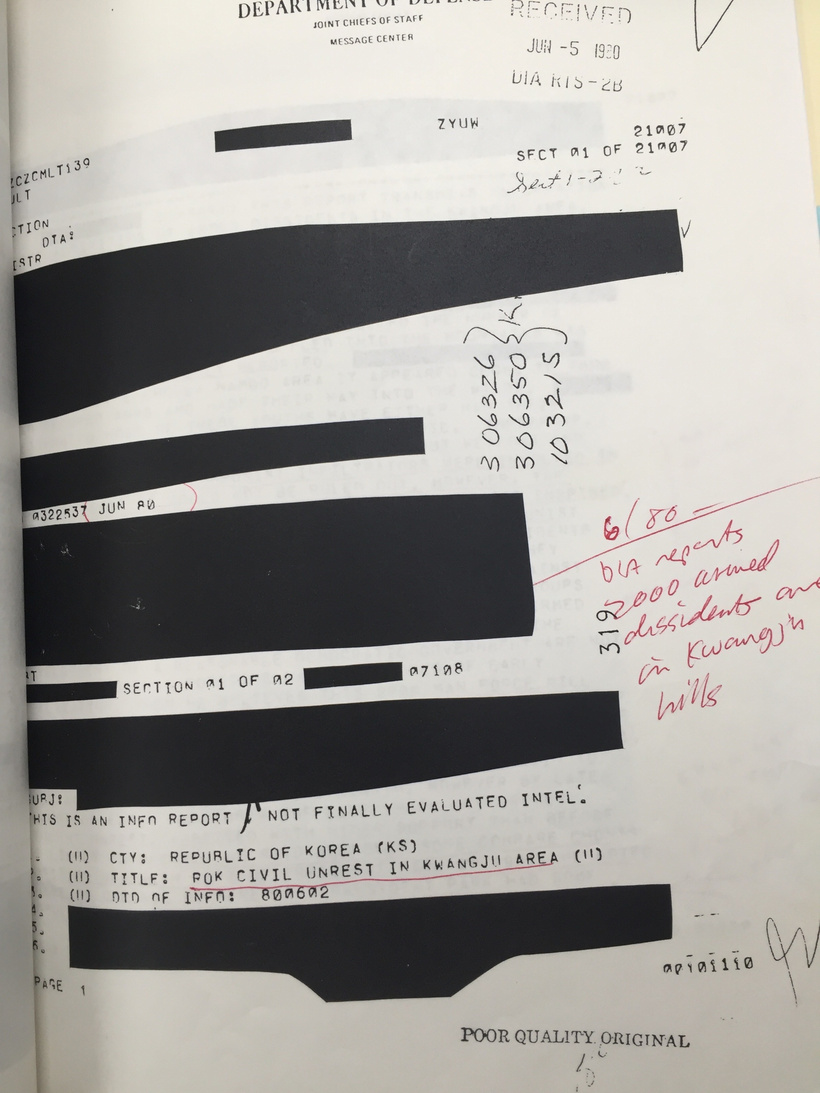
For 20+ years I've maintained timshorrock.com as an archive of my nearly 50 years of journalism and two collections of documents: my "Cherokee Files" on the Gwangju Uprising of 1980 and the new research work I am doing for my upcoming book DMZ Empire on the hidden history of US intervention in Japan and South Korea after World War II. If you want me to continue this site so you can continue to use it, please donate at the PayPal button. Thank you!
Greetings from US-bombed Tokyo and US-occupied Okinawa!
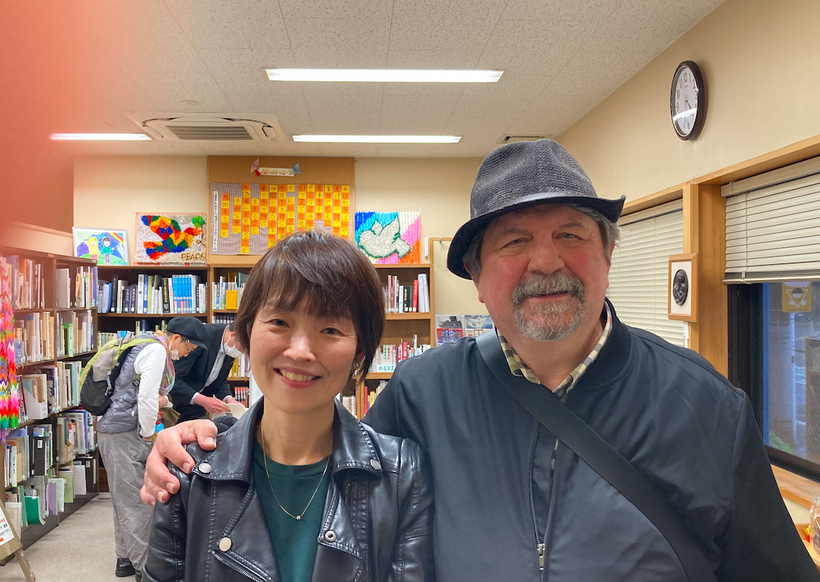
APRIL 19, 2023 – Hello Patrons, As you know, I’ve been traveling to Japan and Okinawa since April 9th and will be in South Korea for another week starting tomorrow. I’ve had an amazing trip so far, and today I…
28 years on, Cherokee Files still making news in Korea
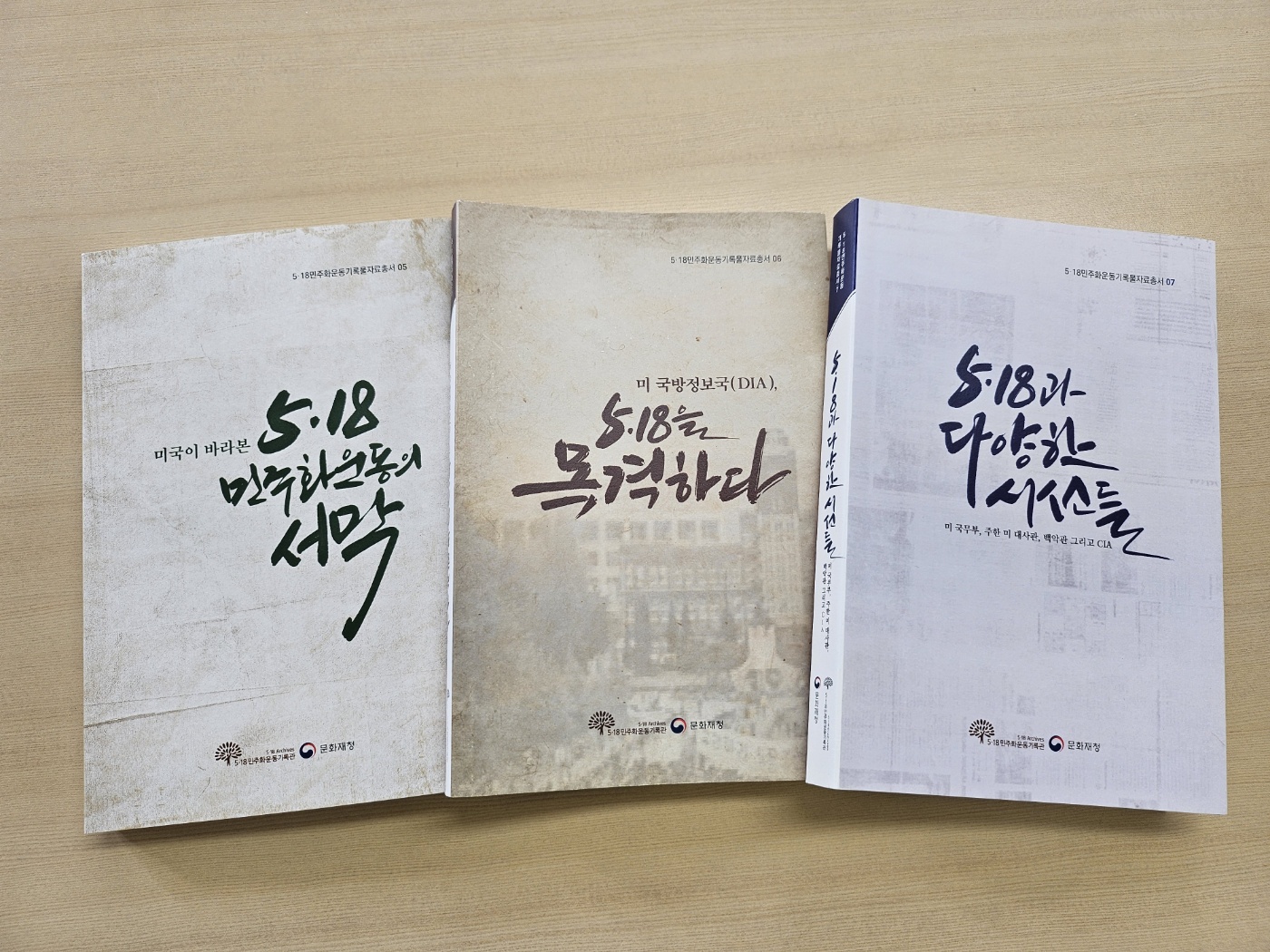
In the wake of a new film and the publication in Korean of the Cherokee Files, Hankyoreh has reported on Washington’s shifting perception of Chun Doo Hwan’s 1979 mutiny. The internal coup caused a temporary rift in U.S.-South Korean relations but was papered over by the Carter administration. UPDATED.
South Korea’s Democracy in Crisis
On September 11th, I was a panelist with the Korean historian Ingu Hwang for a seminar on South Korea's democracy, past and present, sponsored by Massachusetts Peace Action. Professor Hwang wrote a great book, Human Rights and Transactional Democracy in Korea, about the international support for the Korean democracy movement in the 1980s, in which I played a part.
The Lonesome Death of Frank Teruggi
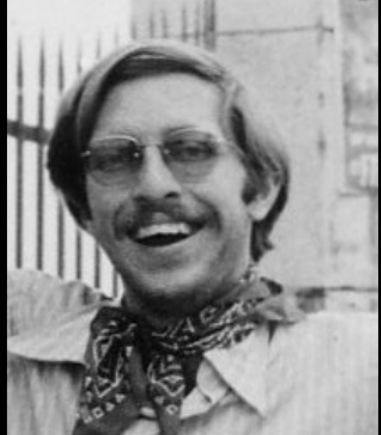
One of the most memorable characters in the film "Missing" is Frank Teruggi, who was murdered by the Chilean military in the Santiago Stadium in the days after General Pinochet's coup on September 11, 1973. I just published a series of letters between Teruggi's father, a member of the Chicago Typographical Union, to AFL-CIO President George Meany seeking information about the death of his son. Who did Meany ask? Henry Kissinger, the man who helped plan the coup.
The Nagasaki Bomb and the Division of Korea
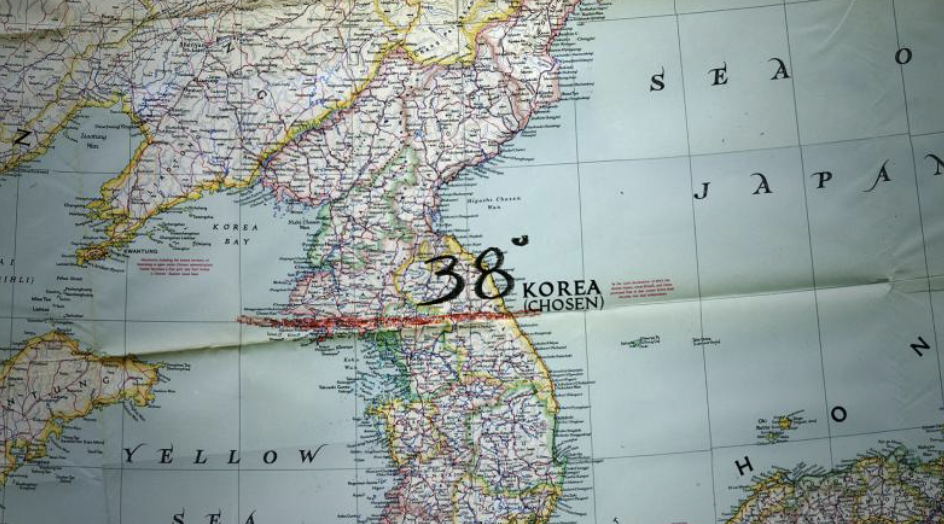
24 hours after Nagasaki, the U.S. divided Korea in half. Bruce Cumings, the leading historian of the Korean War, has called Truman's directive the “first act of containment." In fact, it was the opening salvo of a Cold War that would soon engulf Korea and the rest of Asia and, five years later, explode into another full-scale conflict.
Memories of the DMZ
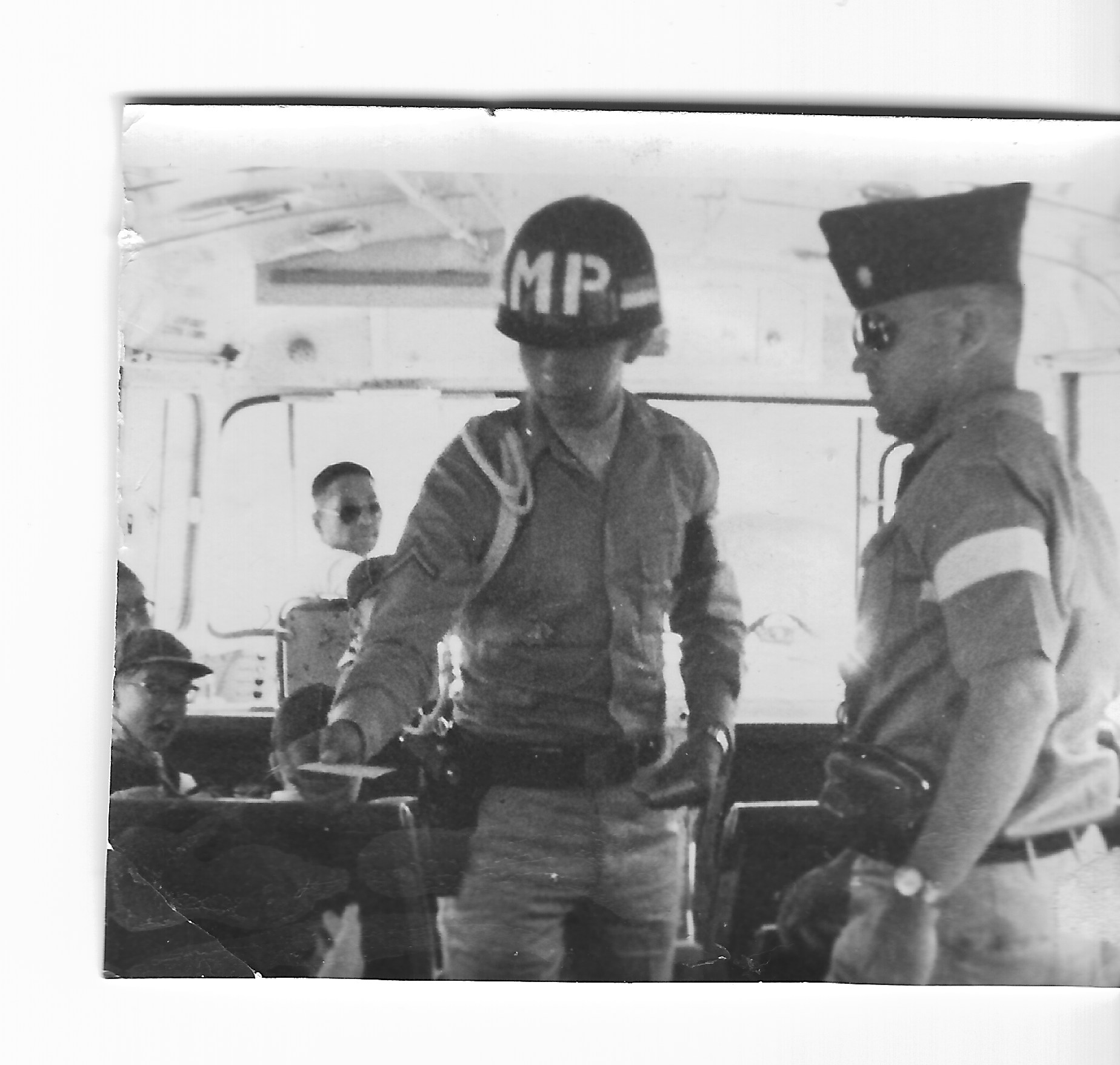
I just spent an exhilarating week with Korea Peace Activists in DC to push for an end to the Korean War after 70 years. To mark the occasion, I've posted an article on my experiences at the DMZ in 1960 and 2023 - 63 years apart. Lessons: The war is not over and the USA still controls the inter-Korean border.
70 Years After the Armistice
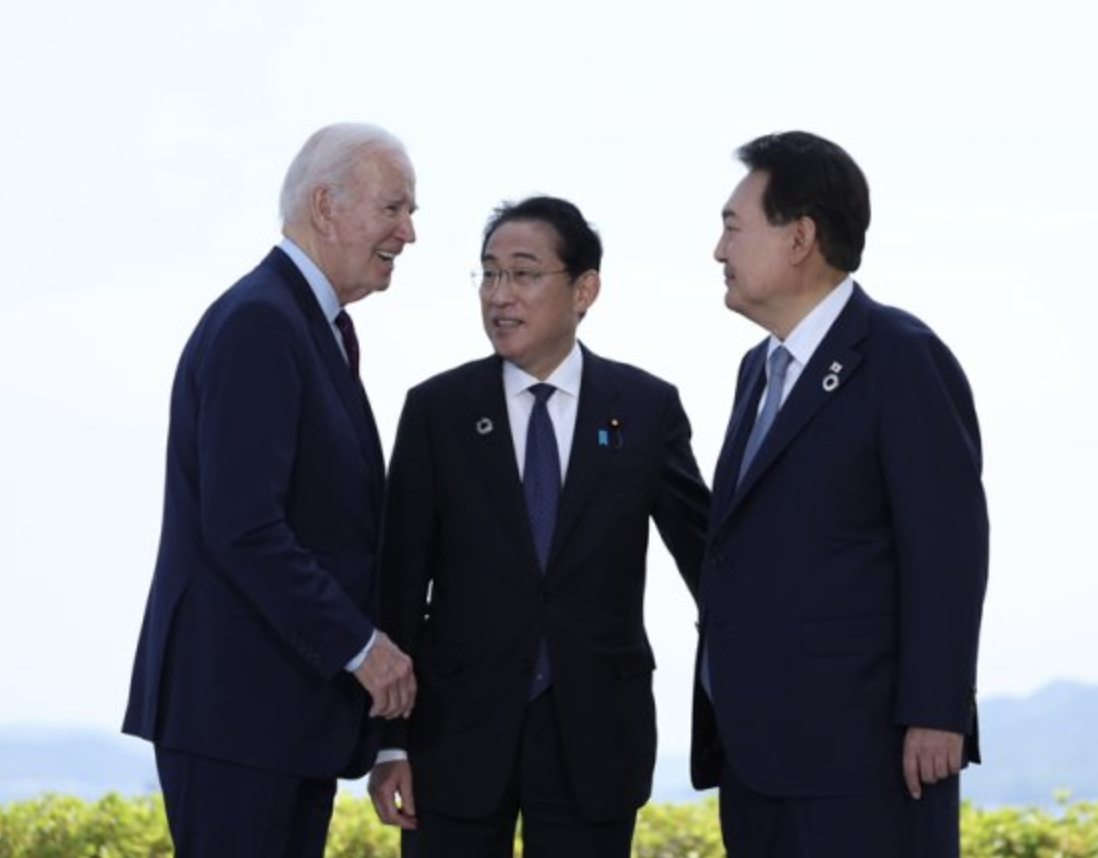
The United States has been trying to create a trilateral alliance with Japan and South Korea since the late 1940s. Under President Biden and his "Asia Czar" Kurt Campbell, it has nearly succeeded. But there's a huge disconnect between Washington's constructs and the people of South Korea and Japan.
Images of Gwangju
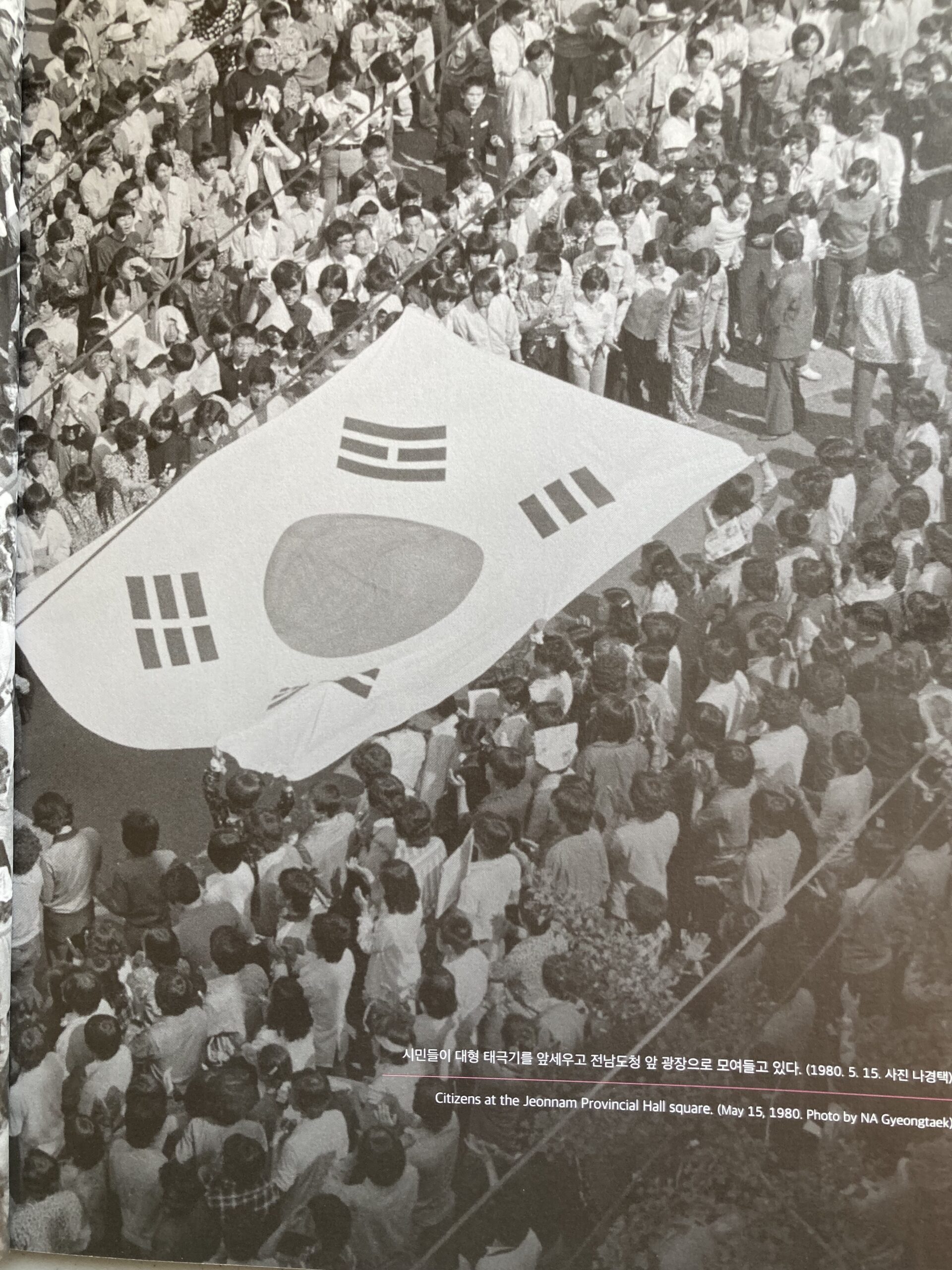
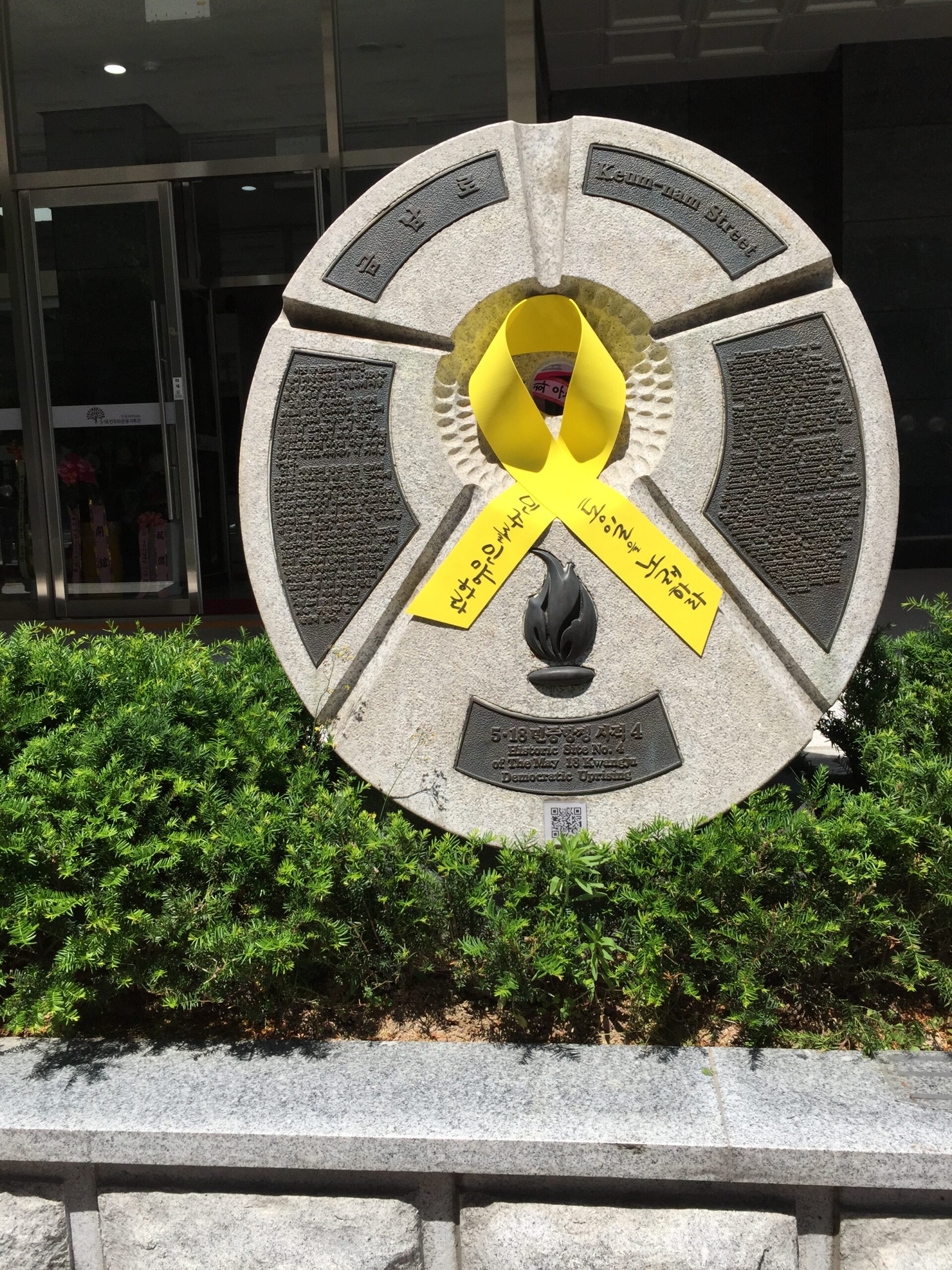
The events of May 18 to May 27, 1980, in photos, from from "Records of the May Uprising," a new book published by the 5.18 Archives in Gwangju. Some are familar, others have never been published before. An incredible monument to the brave people of Gwangju during an unforgettable time in Korean history.
Gwangju and the Fort Benning Connection
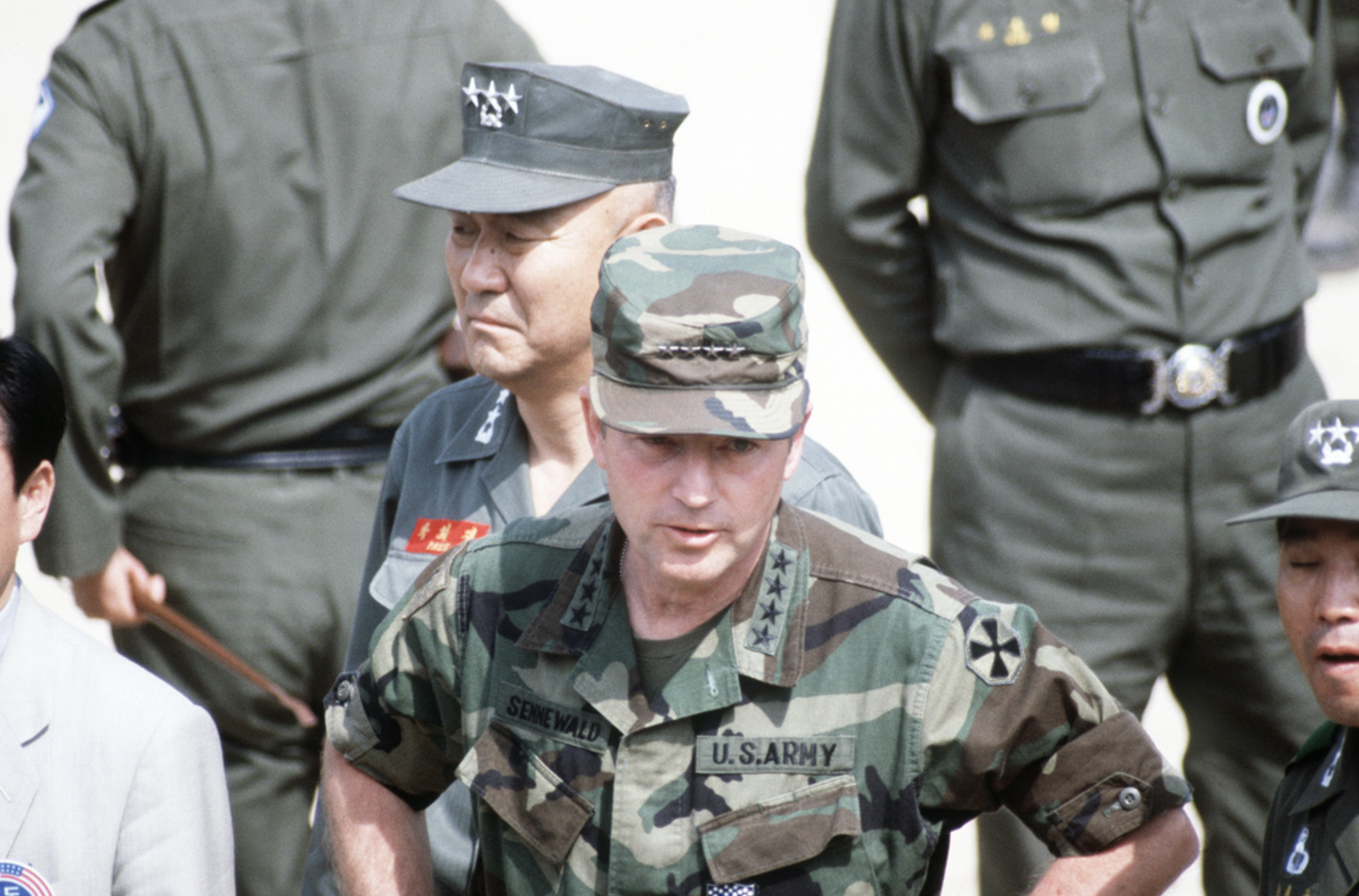
NEW: A South Korean truth commission created by law in 2019 is seeking classified U.S. military and intelligence records for its wide-ranging investigation into the Gwangju Uprising of 1980. It also wants answers about South Korean generals who were trained by U.S. Special Forces and fought with the United States during its counterinsurgency war in South Vietnam. Washington has not responded - yet.
New Gwangju FOIA Documents Now Available
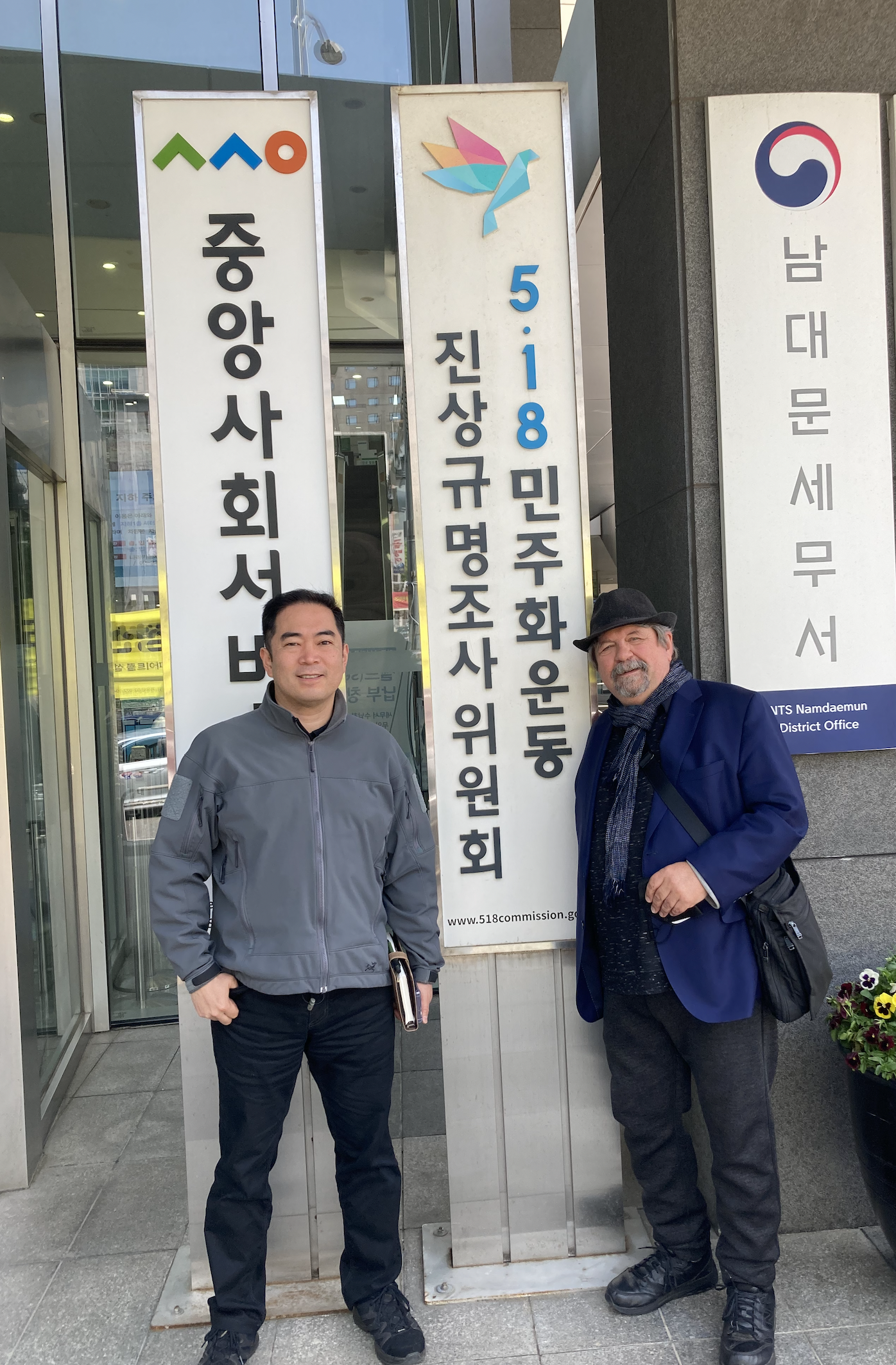
My collection of documents is now being used as key evidence in the work of the 5.18 Truth Commission in Seoul, which was created by law in 2019 and will deliver its initial report to the public in June, 2023, I will be reporting on this commission shortly. PATRON-ONLY CONTENT.
Truckin’ With Bob Dylan in Tokyo
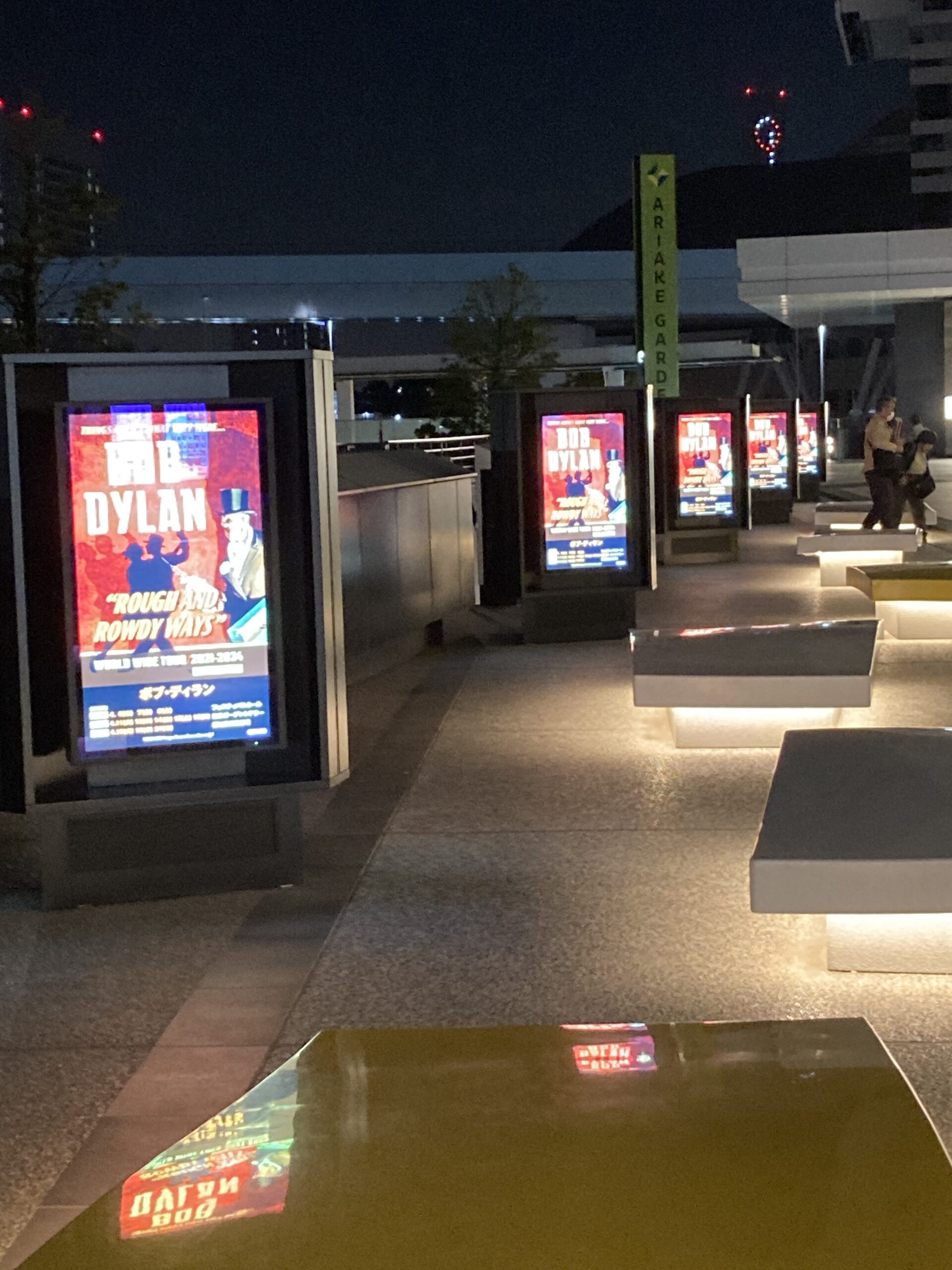
On the night of April 12th, I finally got my chance to hear Bob Dylan in Tokyo. It was like coming full circle: I’d first heard of Bob in 1964, when I was in 8th grade at the American School in Japan.
South Korea’s Yoon launches vicious attack on unions, peace groups
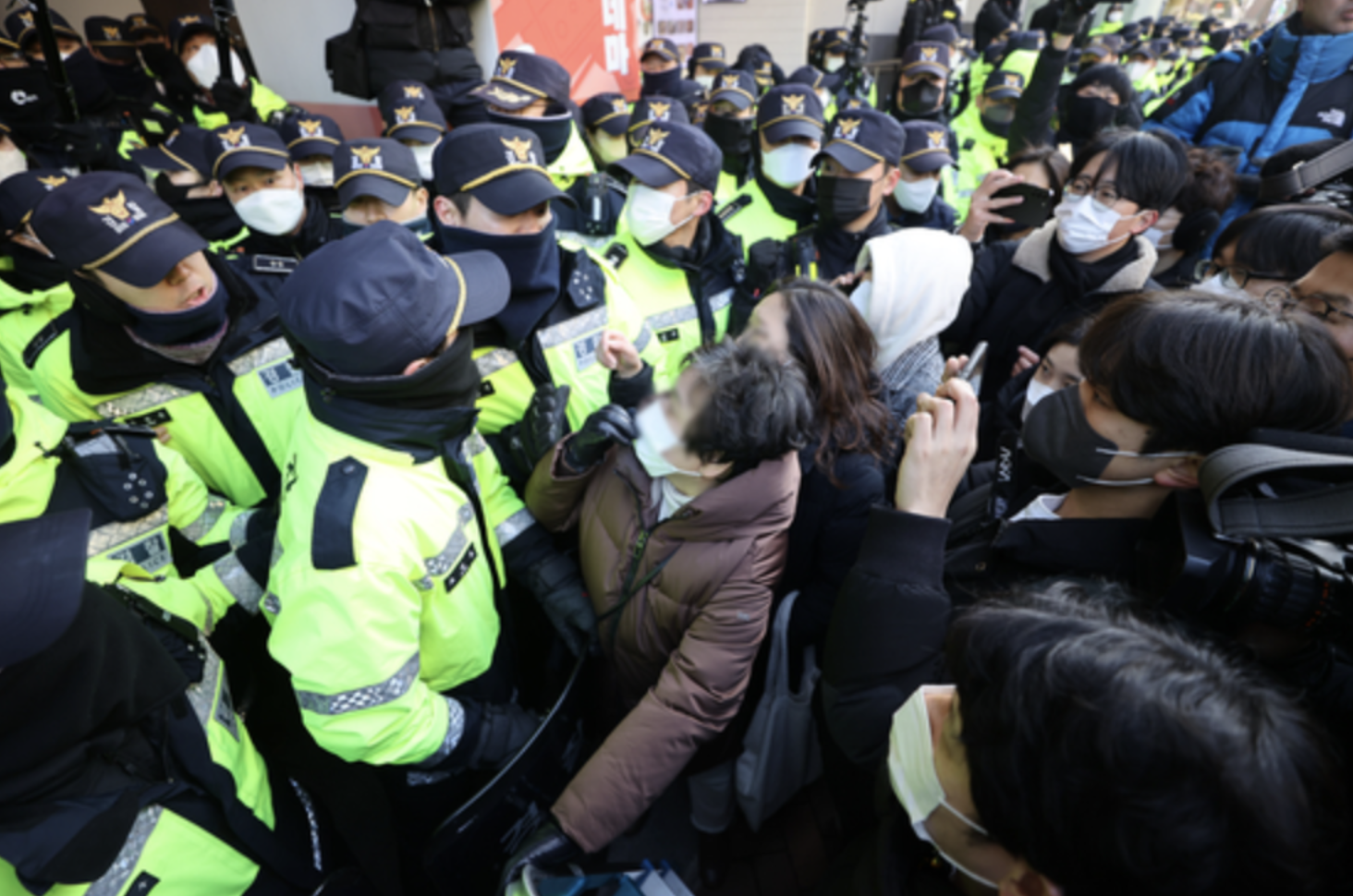
In scenes reminiscent of South Korea's authoritarian past, South Korea's National Intelligence Service - the successor to the once-dreaded KCIA - raided the headquarters of the country's second-largest and most militant labor federation on Wednesday morning. Security forces also raided a "peace shelter" on Jeju Island that is dedicated to remembering the Sewol, a passenger ferry that capsized off the coast of southern Korea in April 2014.
The Rise of Japan’s Self-Defense Forces
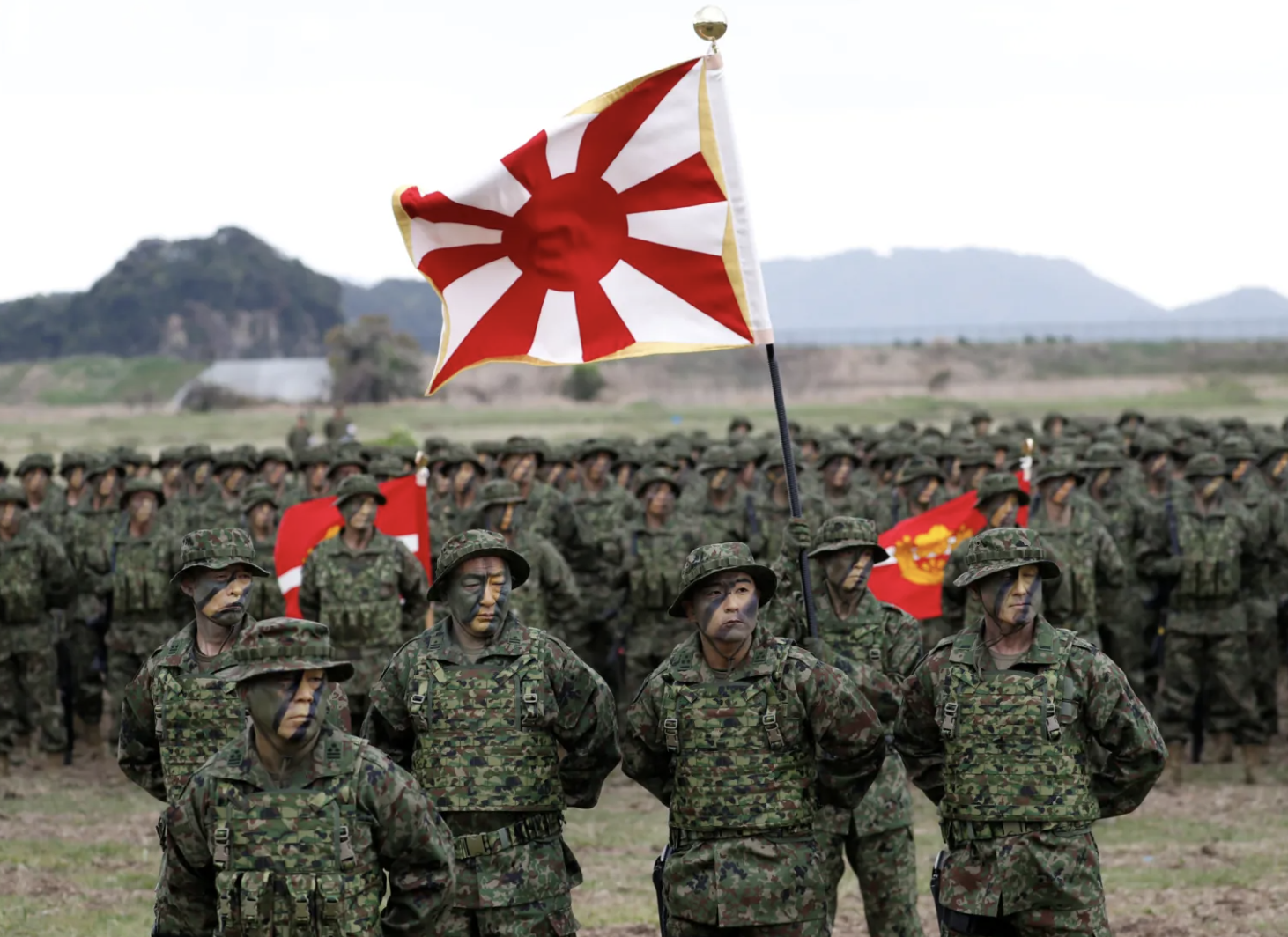
Due to its defeat in World War II, Japan's "great imperial army" was dissolved. Immediately after the outbreak of the Korean war in 1950, however, General Douglas MacArthur, Commander-in-chief of the occupation army, ordered the Japanese government to establish a national police reserve force. Here is the story of Japan's Self-Defense Forces and their special relationship to South Korea. From the AMPO Magazine archives, 1979, with an update on how the SDF was funded.
Thoughts on a Civil War
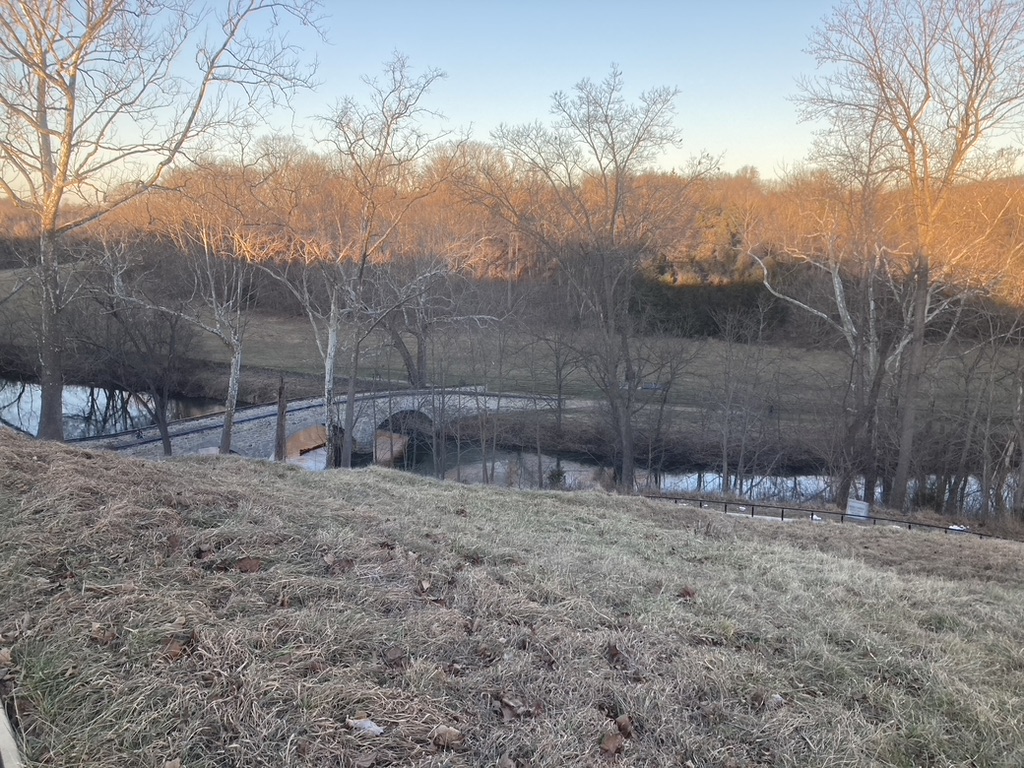
My Great-Grandfather, Henry Savage, fought at Antietam and helped turn the Confederate tide. But what would have happened if Britain and France had backed the South in its war against the Union? The Korean War offers a sobering answer.
Japan Crosses the Rubicon
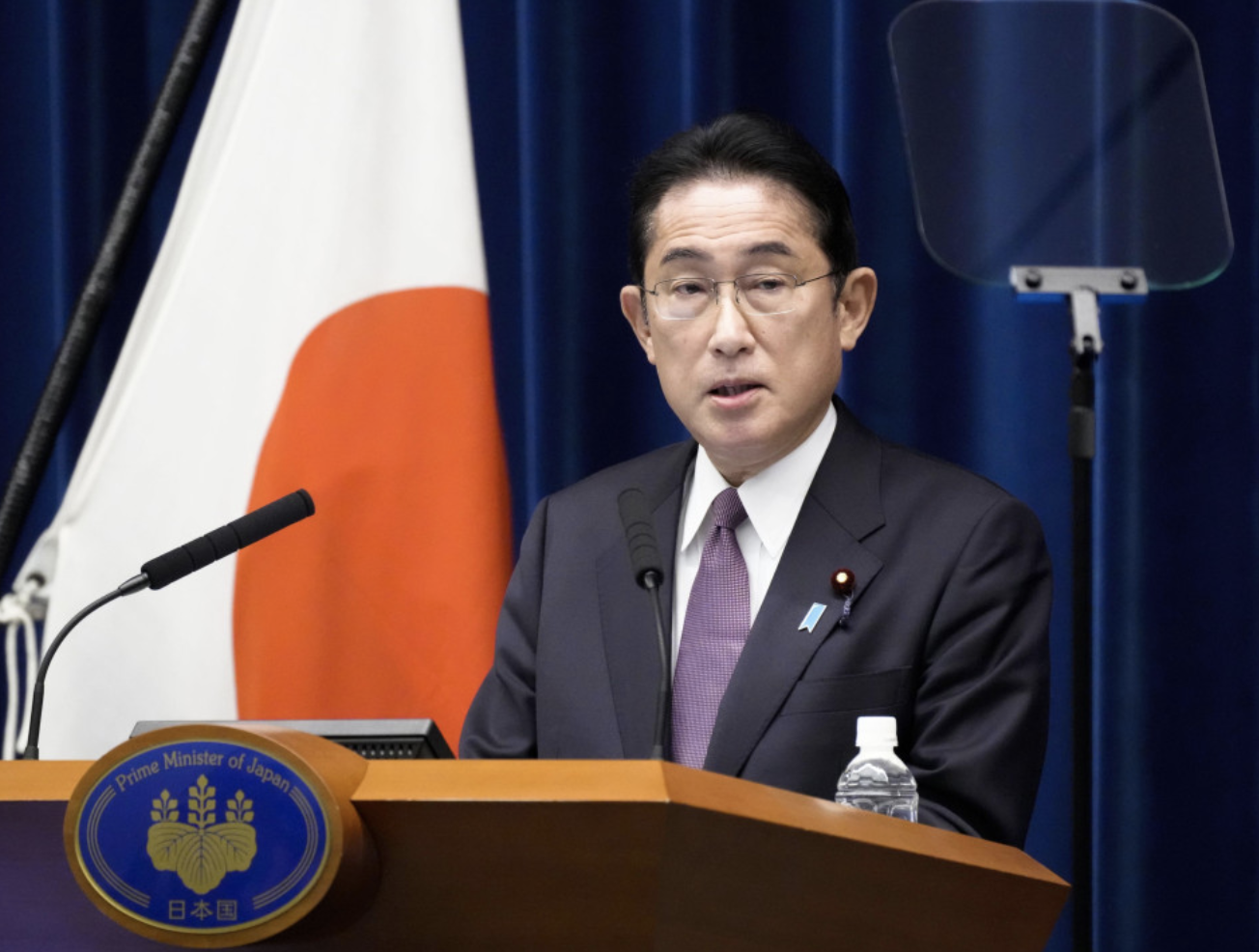
With barely any notice from the US media, Japan's conservative LDP government has embraced a counter-strike strategy - giving it the ability to strike enemy bases overseas - for the first time since 1945. The announcement has sparked protests in South Korea and Japan and generated outrage in North Korea and China.
South Korea, Twitter, and the Origins of Citizen Journalism
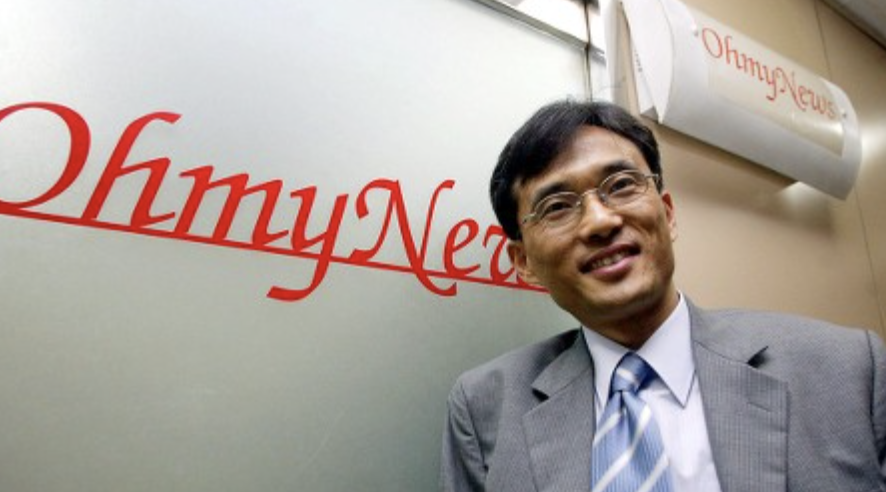
South Korea's Oh My News became a global sensation in 2002 by running dispatches from ordinary citizens and freelance journalists that broke through the lies and controlled news that became the norm during South Korea's dark period of authoritarian government.
Jimmy Carter, the Assassination of Park Chung Hee, and the Pusan-Masan Uprising of 1979
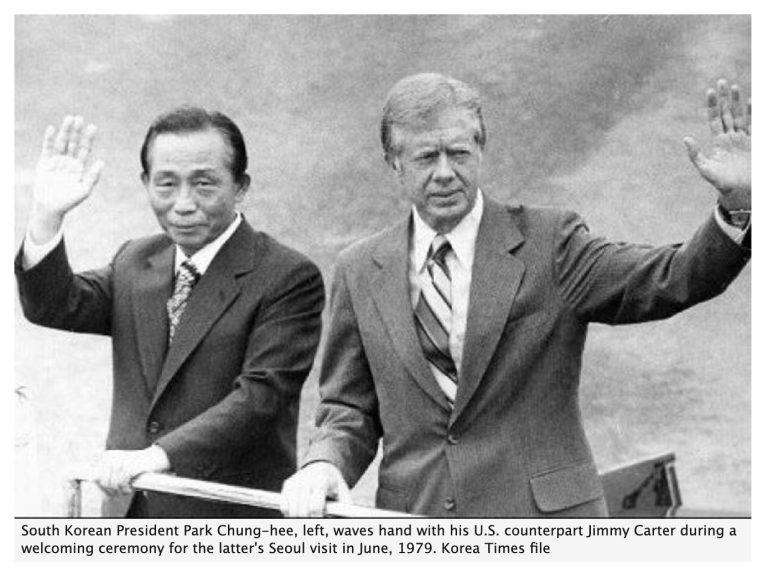
Declassified documents from October 1979 underscore U.S. determination to maintain the status quo in South Korea at a critical point in the country's history. Jimmy Carter doesn't look too good in this narrative.
“Japanese Capitalists Left Koreans a Few Economic Crumbs”
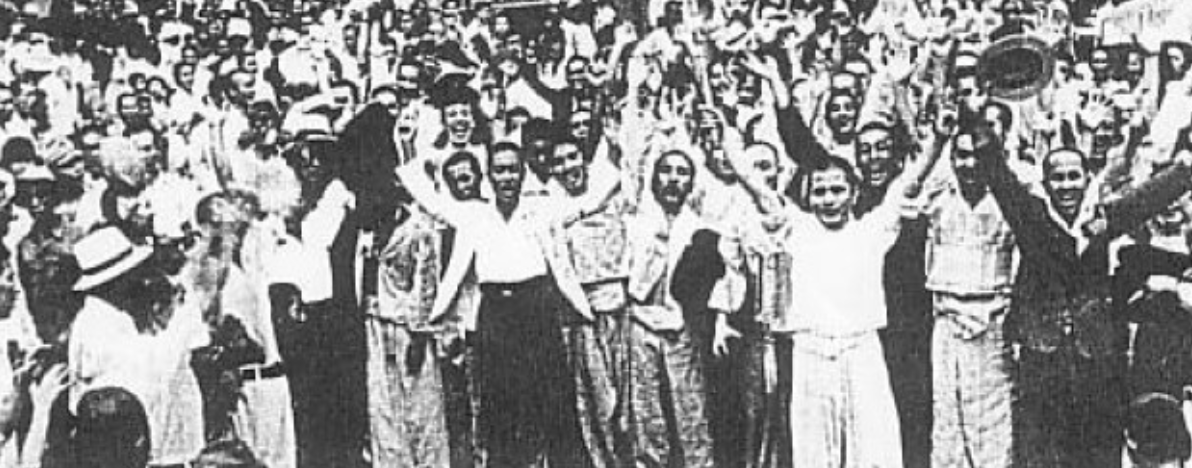
This document found in the National Archives provided an astute analysis of how Japanese colonialism warped Korean society in essential ways. It was probably written by a New Deal-type economist originally assigned to Japan by General MacArthur's occupation forces.