The NSA Four
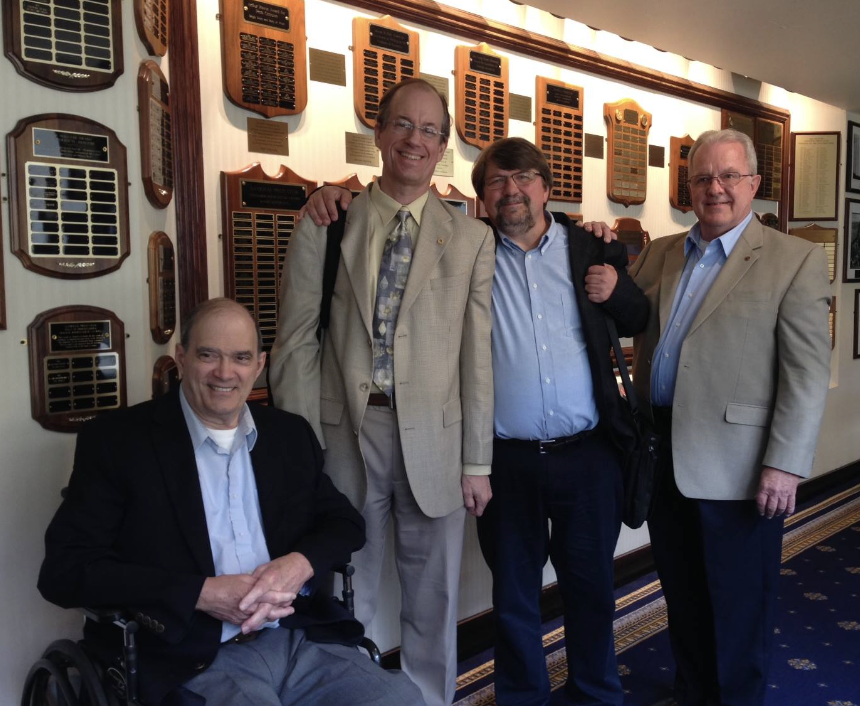
How a toxic mix of cronyism and fraud blinded the National Security Agency before 9/11. My 2013, pre-Snowden, story with Tom Drake, Kirk Wiebe, Bill Binney, and Ed Loomis. One of the best stories I ever did for The Nation.
New, Rare and Unreleased Material from the DMZ Empire
New, Rare and Unreleased Material from the DMZ Empire

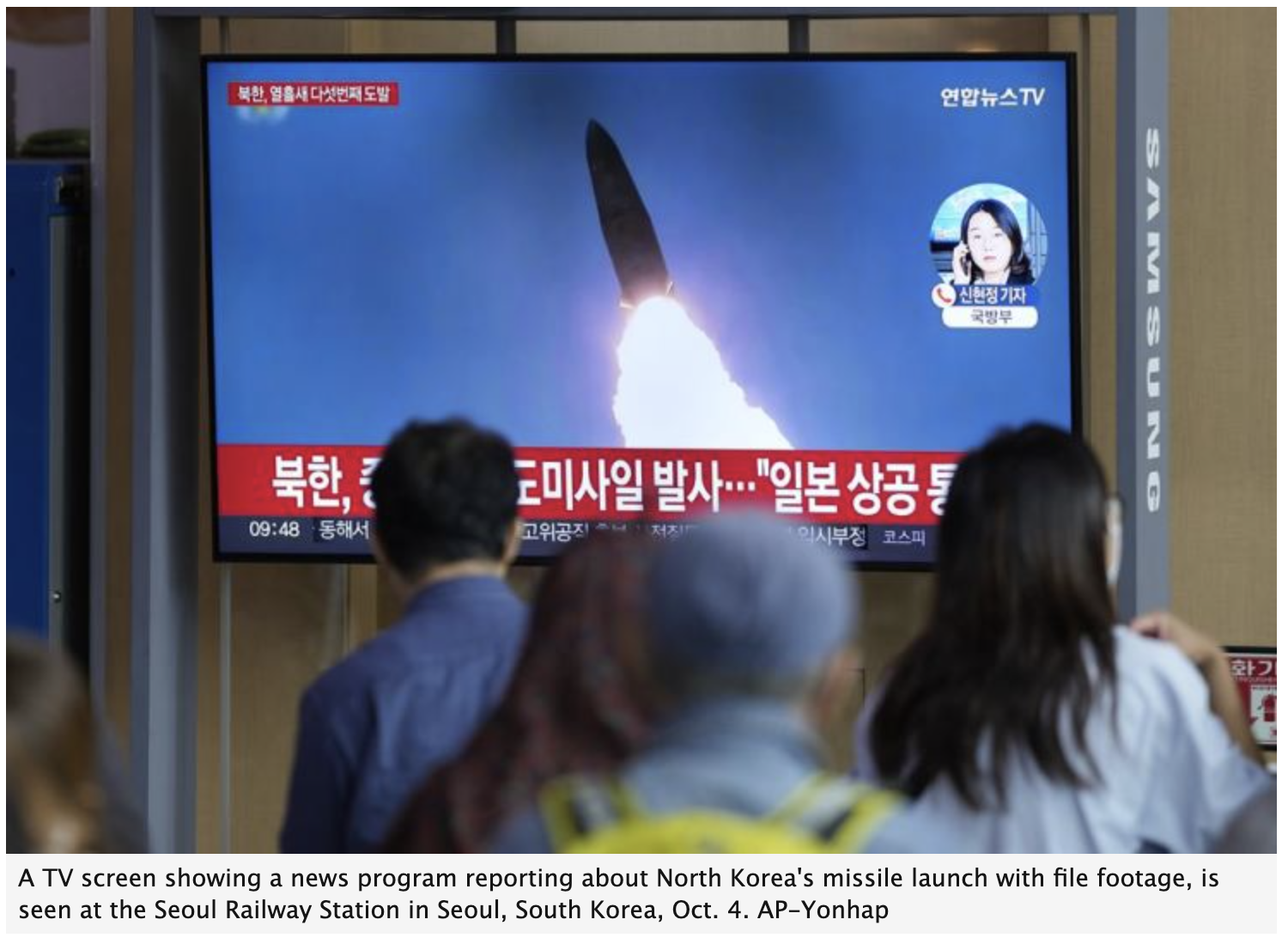
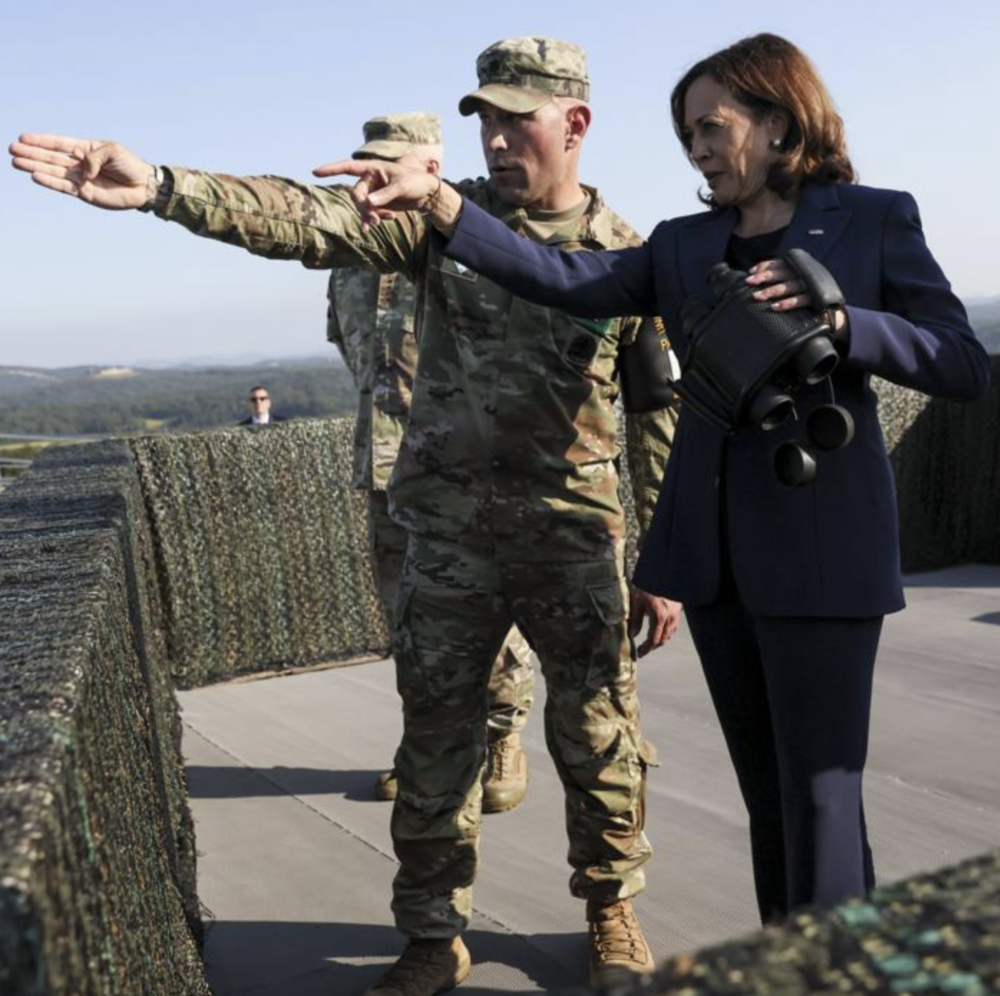
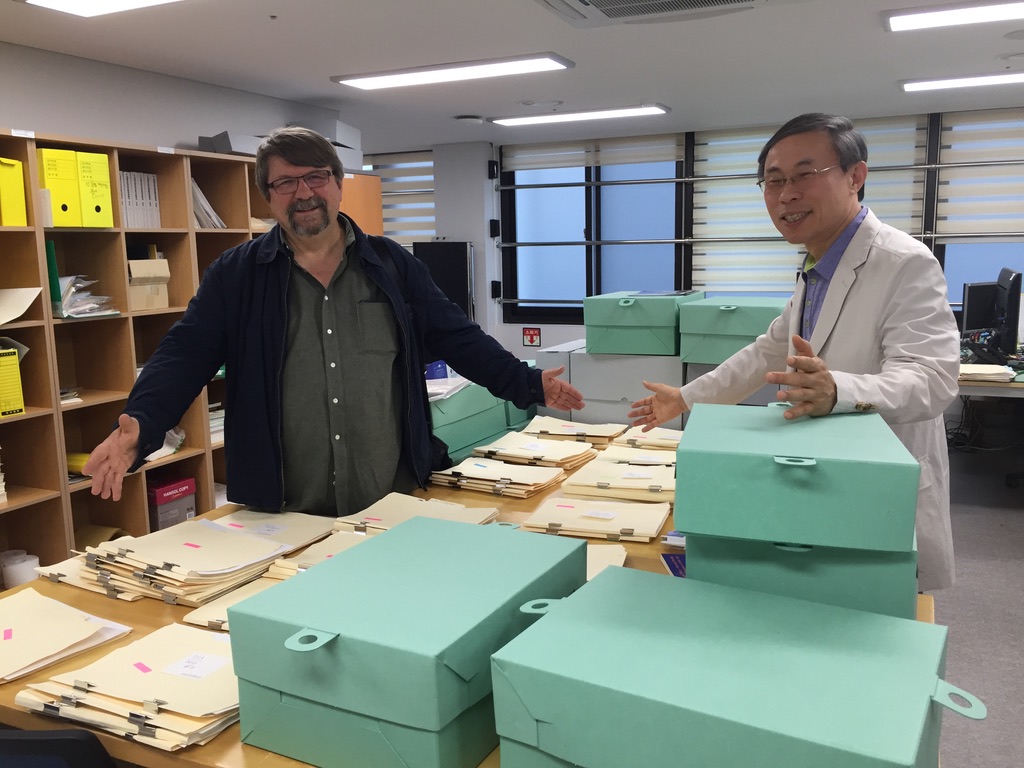
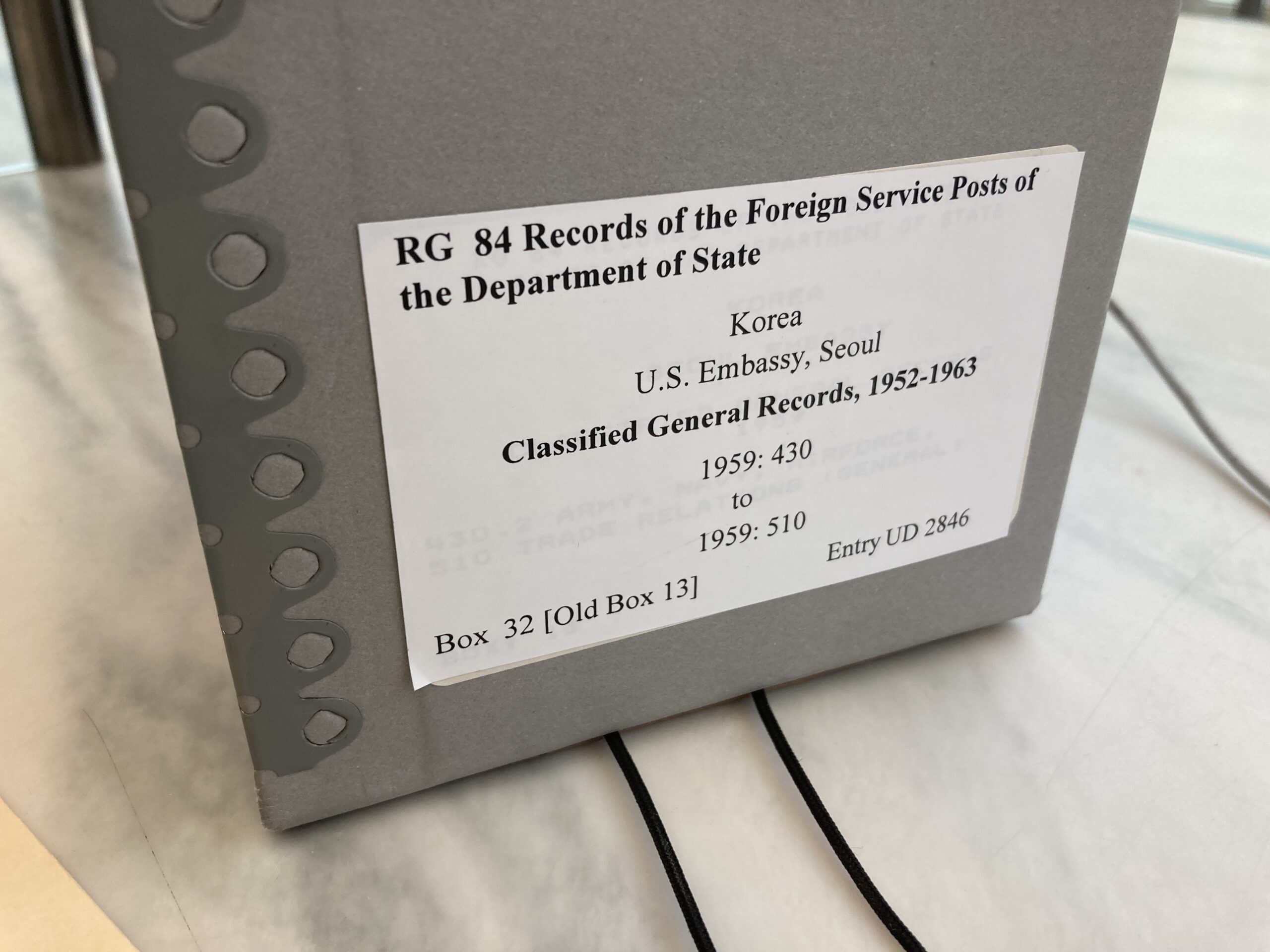
A 1947 comparison by the U.S. Embassy in Seoul of the costs of American vs South Korean troops. Basically, a ratio of $200 to $1. Cheap labor indeed.
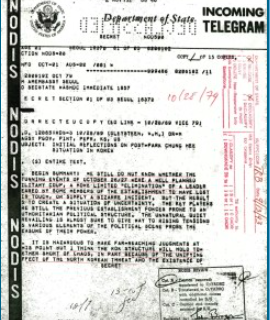
The assassination of Park Chung Hee on the night of October 26, 1979, came as a deep shock to Washington and U.S. diplomats and intelligence officers in Seoul. For years, they’d been 10/28/1979 – Ambassador Gleysteen’s memo, “Initial reflections on…
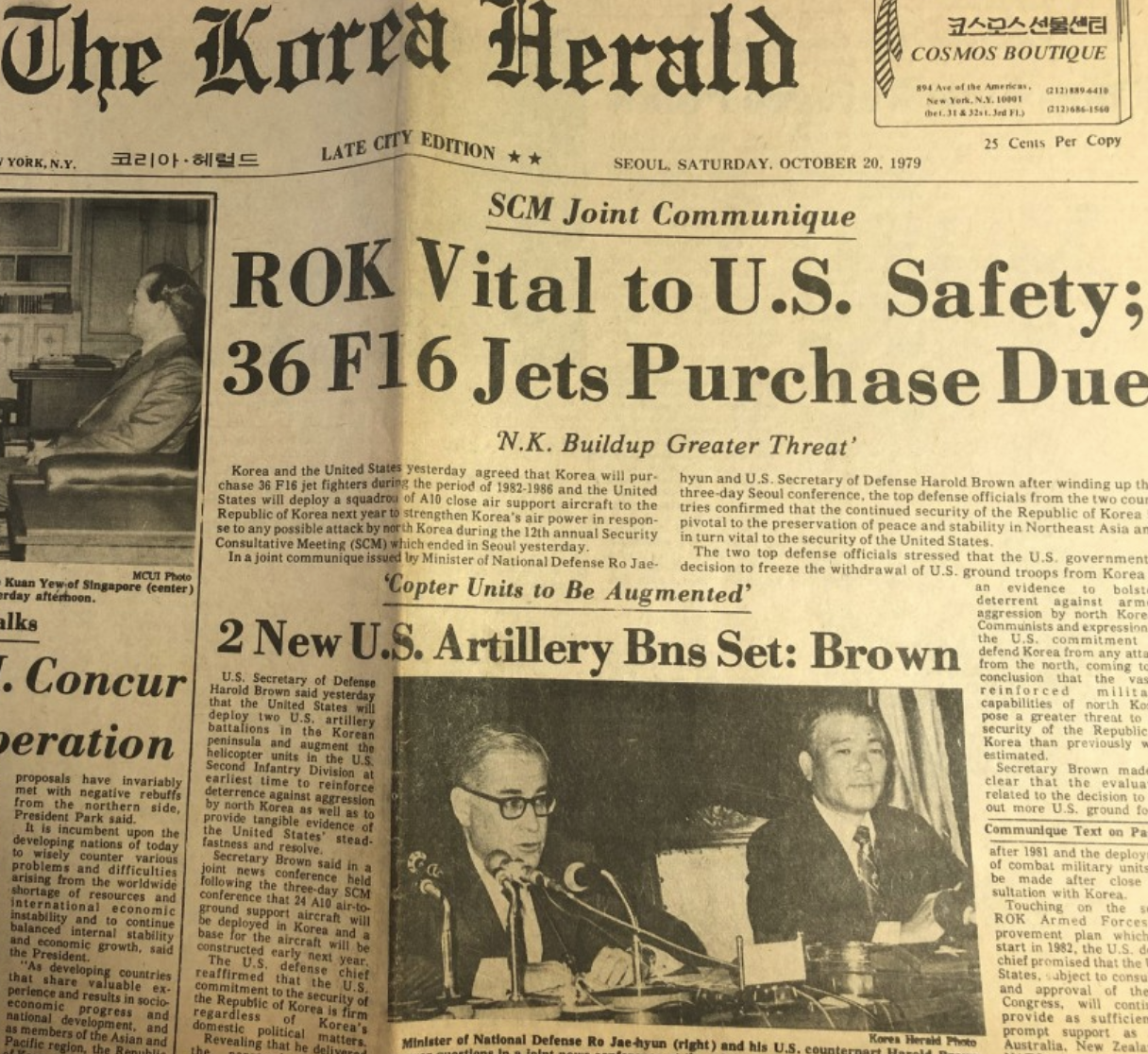
BOX 2, FILE 7 (1979-1980) Ambassador Gleysteen’s discussions with Chun Doo Hwan; Kim Dae Jung’s role in politics; the pace of democratization. These documents written by US Ambassador William Gleysteen are primarily from 1979 and the summer and fall of…
BOX 2, FILE 6 (1979-1980) This file contains key documents written by US ambassador William Gleysteen to the State Department in Washington during the critical months from November 1979 to May 1980. They are significant because Gleysteen was the head…
BOX 2, FILE 4 (May 22, 1980) This document from the National Security Council provided the full notes to the May 22, 1980, meeting where the Carter administration agreed to deploy military force to end the Gwangju Uprising. The participants…
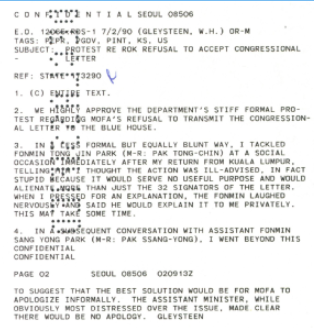
BOX 2, FILE 3 (1980) July 1980 – These documents describe back-and-forth communication between the US Embassy in Seoul and the South Korean Ministry of Foreign Affairs about MOFA’s refusal to transmit to the Blue House a letter signed by…
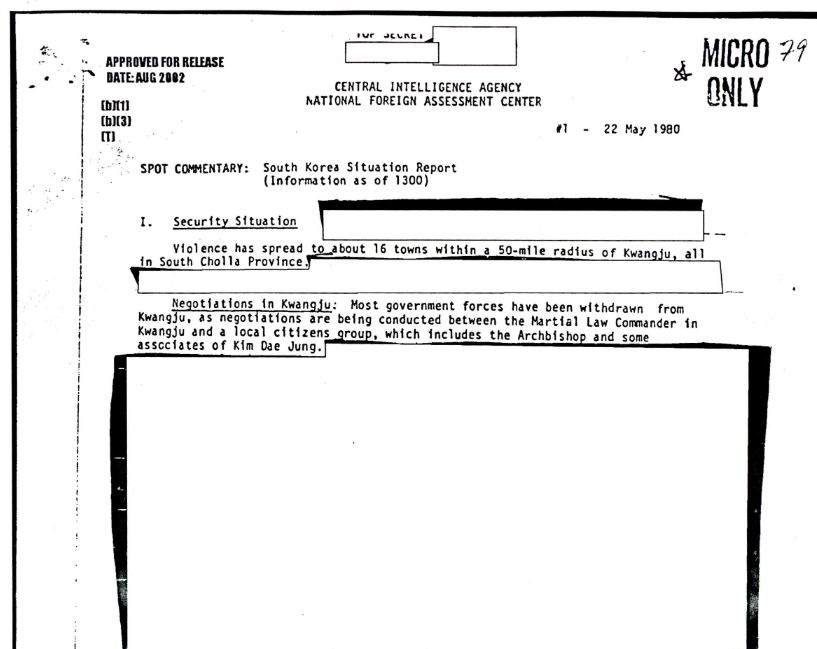
May 21 and May 22, 1980, were two of the most critical days of the Gwangju Uprising. On May 21, Chun Doo Hwan’s martial law forces opened fire on hundreds of citizens surrounding the old Provincial Capital building; 60 people…
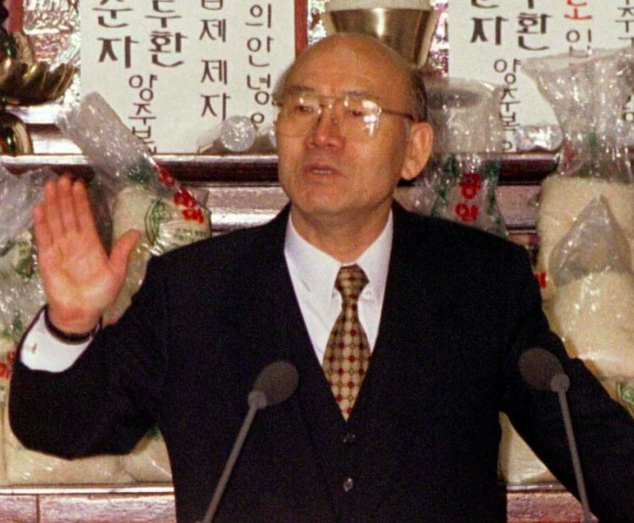
This is an online database of the 4,000 declassified US government documents on the US role in the Gwangju Uprising of 1980. The original copies of the documents known in Korea as the “Cherokee File,” are permanently stored and available for…
This is the first posting of what will be an online database of the 3,500 declassified US government documents on the US role in the Gwangju Uprising of 1980. The original copies of the documents known in Korea as the “Cherokee…
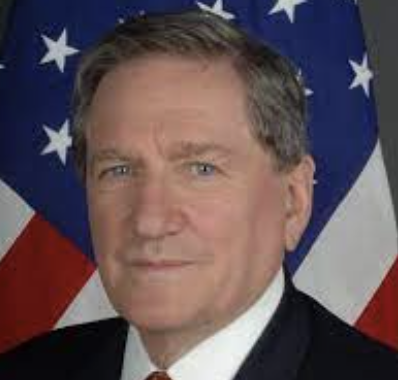
This article from The Nation about Gwangju from 1996 focuses on the role of the late Richard Holbrooke, who was President Carter’s top diplomat for East Asia in 1980 and played a critical role in US decision-making at the time.…
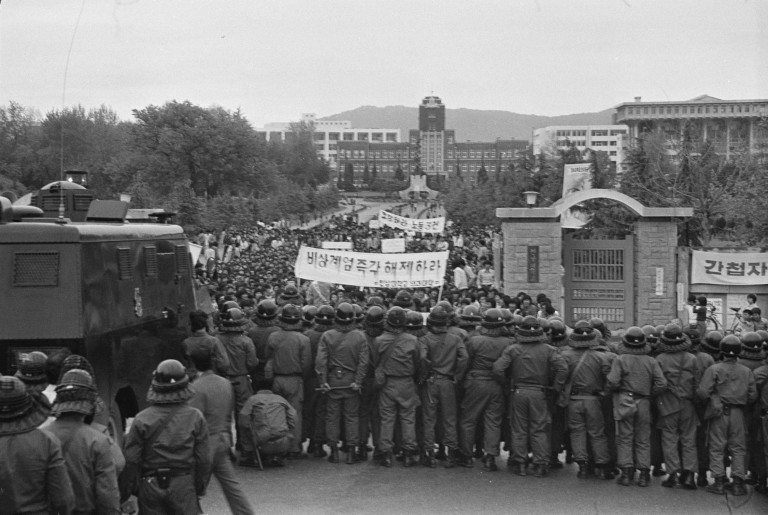
May 18 marks the 40th anniversary of the Gwangju Massacre and Uprising, which shook the foundations of South Korea in 1980 and marked the beginning of the country’s long march towards democracy. I’ve written extensively about Gwangju and the unfortunate…
Abe’s Japan and its people are thinking twice about sending their “Self Defense Forces” to the Gulf, at Trump’s request. Now, it’s South Korea’s turn. Hankyoreh: “Iran warns US allies may become targets if they partake in American counterattack.” Shortly…